
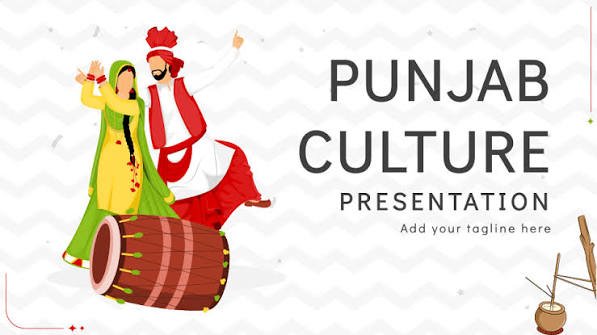
Punjab is a land of vibrant colors, energetic music, delicious food, rich traditions, and warm-hearted people. Known for its lively spirit and strong connection to family, community, agriculture, and spirituality, Punjab has one of the most distinctive cultural identities in India.
The beauty of Punjab culture can be experienced through its traditional dances, colorful clothing, festivals, folk music, delicious cuisine, handicrafts, language, and centuries-old traditions. From the energetic beats of the dhol to the peaceful atmosphere of the Golden Temple, every part of Punjab tells a unique story.
Whether you visit a traditional Punjabi village, attend a wedding, celebrate Baisakhi, enjoy a plate of Sarson da Saag with Makki di Roti, or simply listen to Punjabi folk music, you can experience the warmth and energy that make Punjab special.
The Rich Heritage of Punjab
Punjab has a long and fascinating history that has influenced its culture, traditions, and lifestyle. The region has historically been closely connected with agriculture because of its fertile land and river systems.
Agriculture continues to hold an important place in Punjabi life. The image of golden wheat fields, farmers working on their land, tractors moving through villages, and colorful harvest celebrations has become strongly associated with Punjab.
However, Punjab culture is much more than agriculture. It is a combination of history, spirituality, art, music, food, language, celebrations, and community values.
Bhangra – The Energetic Dance of Punjab
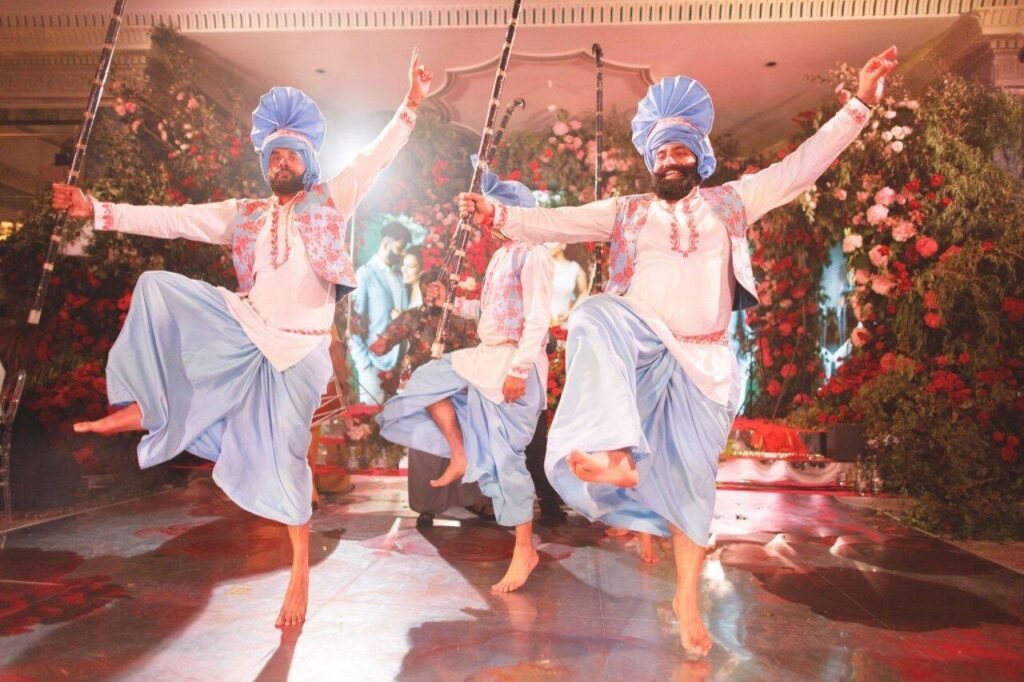
One of the most recognizable symbols of Punjab culture is Bhangra.
Bhangra is a lively folk dance traditionally connected with celebrations and agricultural life. Its energetic movements, colorful costumes, and powerful dhol beats create an atmosphere of happiness and excitement.
Today, Bhangra is not limited to Punjab. It has become popular across India and around the world. Punjabi communities in different countries perform Bhangra at weddings, cultural programs, festivals, university events, and celebrations.
The powerful sound of the dhol combined with energetic dance movements makes Bhangra an important cultural symbol of Punjabi identity.
Giddha – A Beautiful Punjabi Folk Tradition
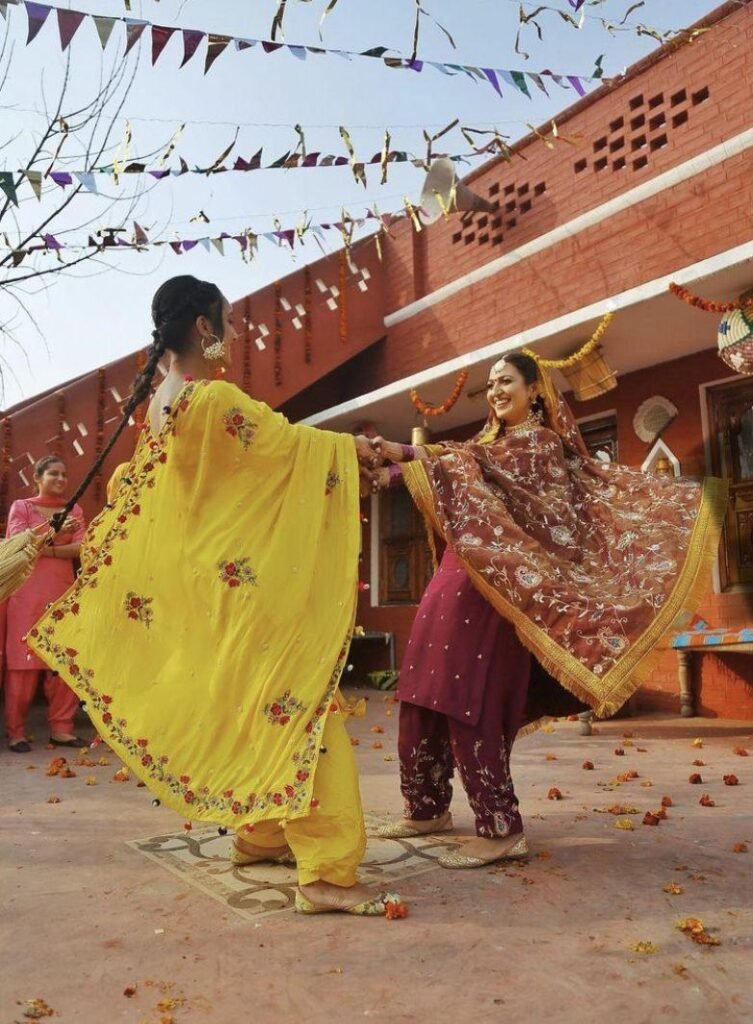
Giddha is another important traditional dance associated with Punjab. It is particularly known as a folk dance performed by Punjabi women.
Giddha combines dance, music, expressions, and traditional verses. Performers often use hand movements, clapping, and rhythmic steps to tell
stories about everyday life, relationships, celebrations, and society.
Giddha can commonly be seen at weddings, festivals, family gatherings, and cultural events. Like Bhangra, it represents the joyful and expressive nature of Punjabi culture.
Punjabi Food – A Celebration of Flavors
Punjabi cuisine is famous throughout India and around the world. Food is an important part of Punjabi hospitality, and meals are often enjoyed with family and friends.
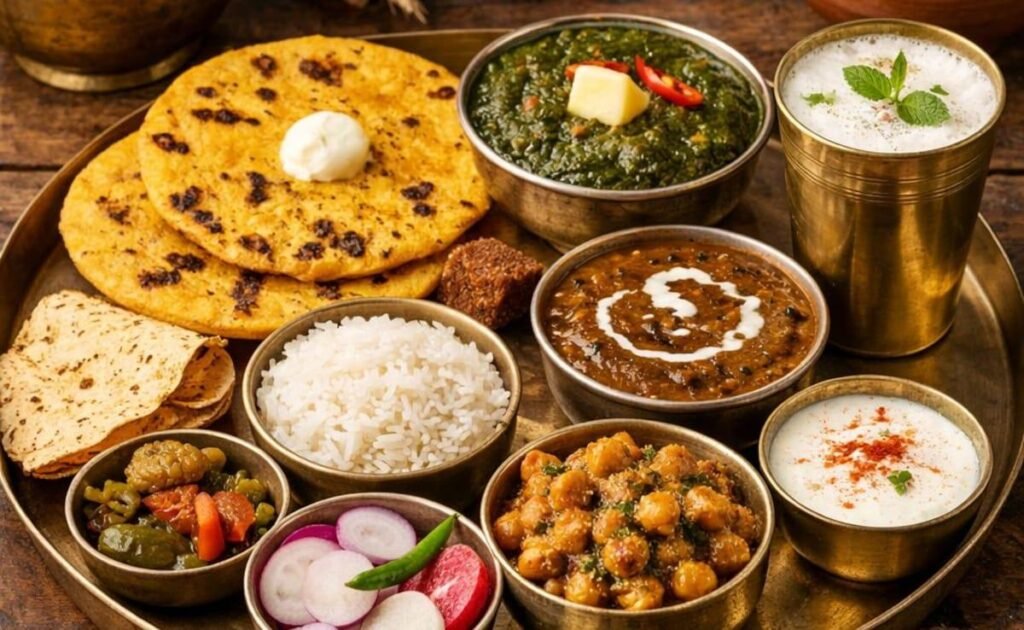
Punjabi cooking is known for its rich flavors, aromatic spices, dairy products, breads, vegetables, and hearty dishes.
Some popular Punjabi foods include:
- Sarson da Saag
- Makki di Roti
- Dal Makhani
- Amritsari Kulcha
- Chole
- Rajma Chawal
- Tandoori Chicken
- Butter Chicken
- Paneer dishes
- Lassi
- Punjabi sweets
Sarson da Saag and Makki di Roti
Sarson da Saag and Makki di Roti are among the most famous traditional Punjabi dishes. The combination is especially popular during the winter season.
A traditional Punjabi meal often becomes even more enjoyable when served with white butter, jaggery, onions, pickles, and a glass of refreshing lassi.
Lassi – A Traditional Punjabi Drink
Lassi is one of the most popular traditional drinks associated with Punjab.
Made primarily from yogurt, lassi can be prepared in sweet or savory forms. Sweet lassi is often served cold and can be topped with cream or butter.
A tall glass of lassi alongside a traditional Punjabi meal is a simple but memorable experience.
Phulkari – The Art of Punjabi Embroidery
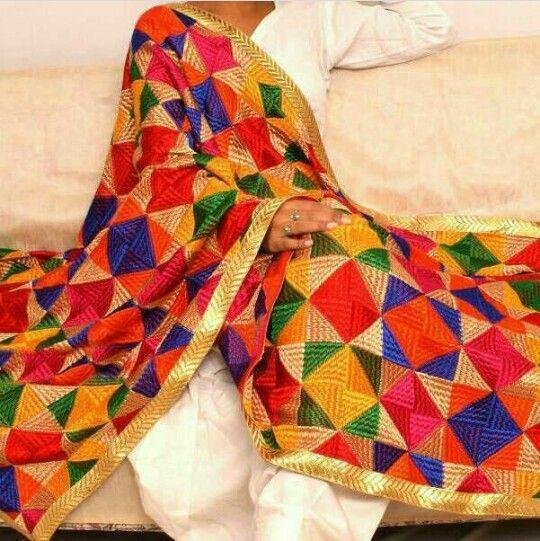
Phulkari is one of the most beautiful traditional crafts associated with Punjab.
The word Phulkari is associated with floral embroidery. Traditional Phulkari designs feature colorful threads, floral patterns, geometric shapes, and intricate decorative work.
Phulkari has historically been used on dupattas, shawls, suits, and other garments. It is particularly associated with weddings and special occasions.
Today, Phulkari continues to inspire modern fashion designers. Traditional patterns are being incorporated into contemporary clothing, bags, home décor, and accessories.
Phulkari represents the creativity, patience, and artistic traditions passed from one generation to another.
Traditional Punjabi Clothing
Traditional clothing is another important part of Punjab culture.
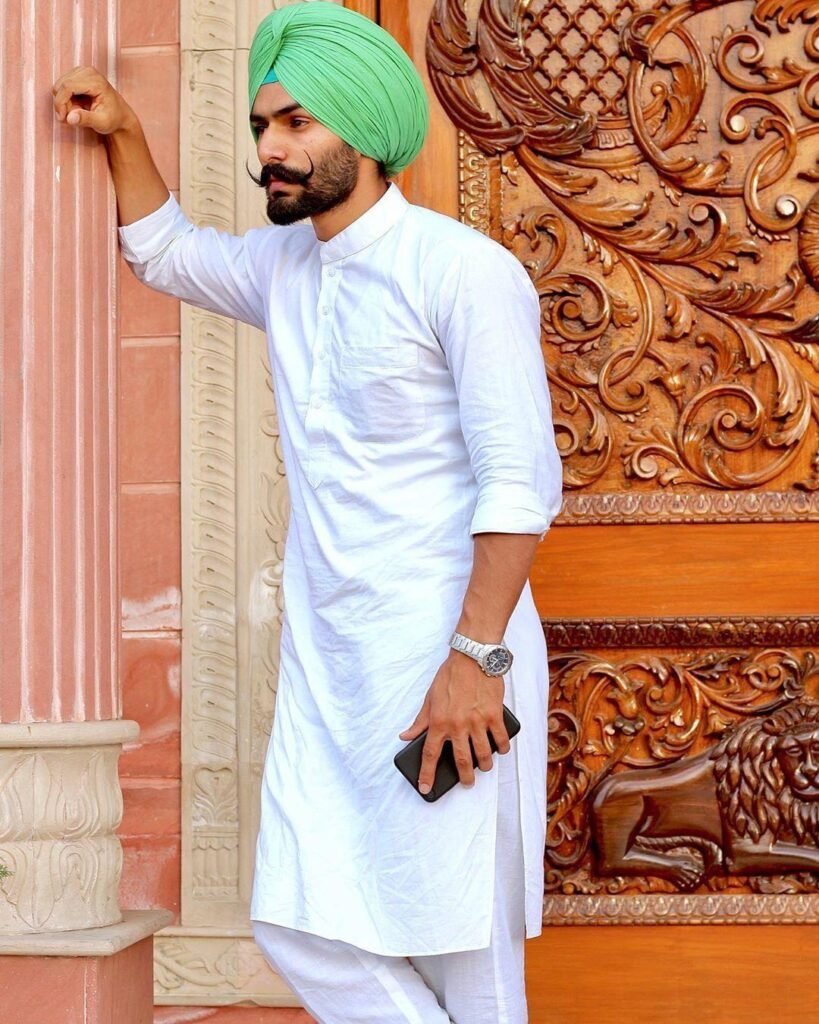
Punjabi men traditionally wear garments such as the kurta and pajama, often accompanied by a turban. Traditional Punjabi footwear such as juttis can also be worn during festivals and special occasions.
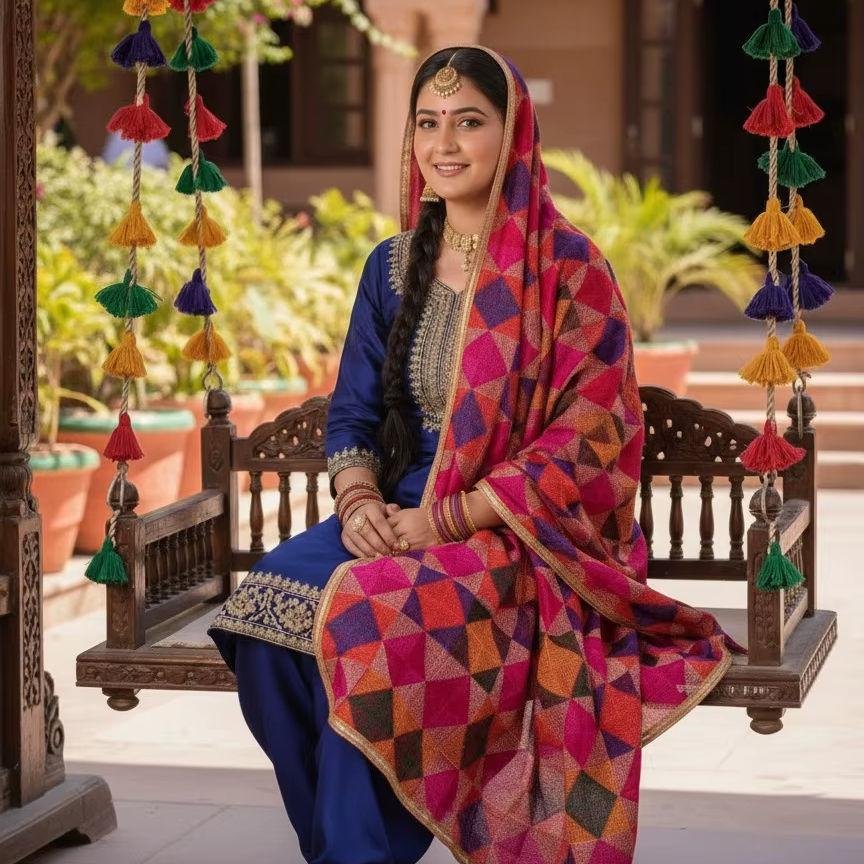
Punjabi women are traditionally associated with the salwar kameez and colorful dupattas. The Patiala salwar is particularly famous for its loose and comfortable design.
Bright colors, embroidery, beautiful fabrics, and traditional accessories make Punjabi clothing visually distinctive.
Today, Punjabi fashion combines traditional designs with modern styles, making Punjabi clothing popular for weddings, festivals, cultural events, and everyday fashion.
Festivals That Bring Punjab to Life
Festivals are an important part of Punjab culture. They bring families and communities together through food, music, dancing, religious activities, fairs, and celebrations.
Baisakhi
Baisakhi is one of the most important festivals associated with Punjab. It is connected with the harvest season and is celebrated with great enthusiasm.
People participate in fairs, cultural programs, Bhangra, Giddha, and community celebrations.
Lohri
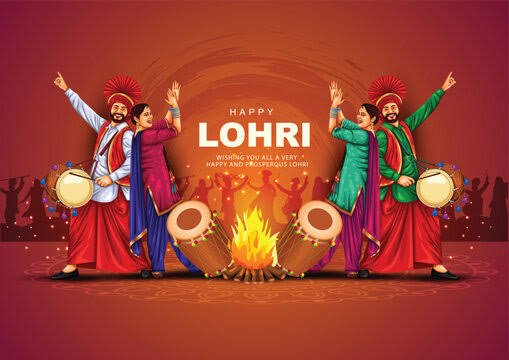
Lohri is a popular winter festival celebrated with bonfires, traditional songs, dancing, sweets, and gatherings.
Families and friends come together around the bonfire and celebrate with traditional foods such as peanuts, popcorn, and rewri.
Hola Mohalla
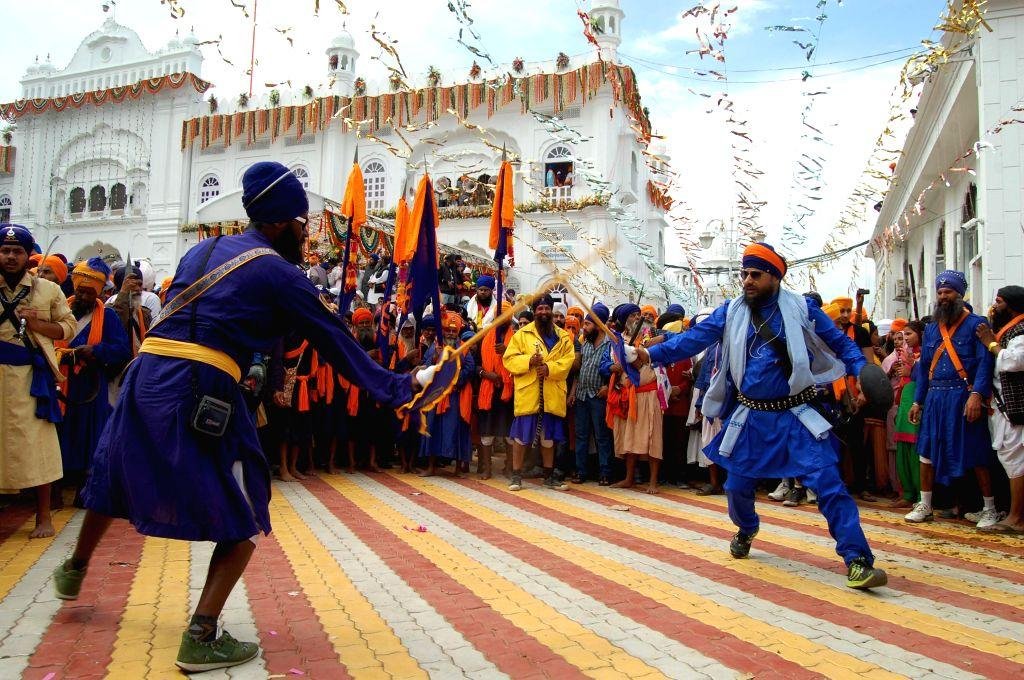
Hola Mohalla is an important cultural and religious event associated with Anandpur Sahib. It is known for processions, martial arts demonstrations, traditional performances, and community activities.
These festivals demonstrate the strong community spirit and cultural traditions of Punjab.
Golden Temple and Spiritual Heritage
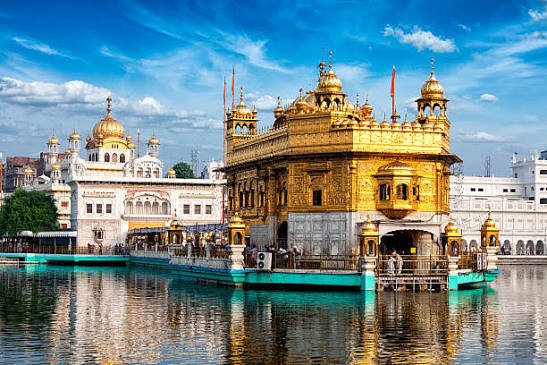
Punjab is home to many important religious and historical sites, with the Golden Temple in Amritsar being one of the most famous.
The Golden Temple, also known as Harmandir Sahib, attracts visitors from across India and around the world.
Its beautiful architecture, peaceful surroundings, and spiritual atmosphere make it an important part of Punjab’s heritage.
The tradition of Langar, a community kitchen where meals are served to people, represents values of equality, service, generosity, and community.
The Golden Temple is therefore not only an architectural landmark but also an important symbol of Punjab’s spiritual and humanitarian traditions.
Punjabi Music and Folk Instruments
Music is deeply connected with Punjabi culture.
Traditional Punjabi folk music often uses instruments such as the dhol, tumbi, algoza, chimta, and dholki.
Punjabi folk songs have traditionally told stories about love, farming, family life, bravery, celebrations, and everyday experiences.
Modern Punjabi music has taken traditional sounds and combined them with contemporary musical styles. As a result, Punjabi music has developed a huge audience around the world.
From traditional folk songs to modern Punjabi pop, music continues to play an important role in preserving and spreading Punjabi culture.
Punjabi Language and Literature
The Punjabi language is one of the most important elements of Punjab’s cultural identity.
Punjabi literature has a rich tradition of poetry, folk stories, spiritual writing, and prose. Many famous Punjabi stories have been passed from one generation to another.
Stories such as Heer-Ranjha, Sohni-Mahiwal, and Mirza-Sahiban are deeply connected with Punjabi folklore.
Punjabi poetry often explores themes such as love, spirituality, nature, human relationships, social life, and emotions.
The language continues to thrive through literature, music, films, social media, and everyday communication.
Punjabi Villages and Rural Life
Punjabi villages provide an authentic glimpse into traditional life.
Large agricultural fields, farmhouses, tractors, cattle, traditional homes, village markets, and community gatherings are common elements of rural Punjab.
Village life is closely connected with agriculture and family. People often come together during festivals, weddings, harvest seasons, and other important occasions.
Traditional village fairs also provide opportunities to experience folk music, dancing, local food, handicrafts, traditional games, and cultural performances.
Although modern technology and urbanization have changed rural lifestyles, many traditional values continue to remain important.
Punjabi Weddings – A Celebration of Culture
Punjabi weddings are famous for their energy, colors, music, food, and celebrations.
A Punjabi wedding often includes several pre-wedding and wedding ceremonies. Family members and friends come together to celebrate with music, dancing, traditional clothing, and delicious food.
Bhangra and Giddha are often major highlights of wedding celebrations.
Bright decorations, colorful outfits, Punjabi music, traditional sweets, and large family gatherings create an unforgettable atmosphere.
Punjabi weddings show how traditions can bring different generations together while creating new memories.
Punjabi Hospitality
One of the most admired qualities associated with Punjab is hospitality.
Punjabi culture places great importance on welcoming guests and sharing food. Visitors are often encouraged to eat, relax, and enjoy themselves.
Food is not simply considered something to satisfy hunger; it is also a way of expressing affection and generosity.
The Punjabi spirit of hospitality can be seen in family gatherings, village celebrations, weddings, festivals, and everyday life.
Punjab Culture in the Modern World
Punjab has changed significantly with modernization and globalization, but many of its cultural traditions continue to remain strong.
Punjabi music, food, clothing, dance, festivals, and language have gained international popularity.
Punjabi communities around the world continue to celebrate traditional festivals, organize cultural events, perform Bhangra and Giddha, wear traditional clothing, prepare Punjabi food, and teach younger generations about their heritage.
Social media and digital platforms have also helped Punjabi culture reach new audiences. Punjabi songs, recipes, fashion, dance videos, and cultural stories can now be shared instantly across the world.
This combination of tradition and modern technology has helped create a new generation of Punjabi cultural expression.
Why Punjab Culture Is So Special
Punjab culture is special because it combines many different elements into one vibrant identity.
It is the sound of the dhol during Bhangra.
It is the graceful movements of Giddha.
It is the colorful embroidery of Phulkari.
It is the taste of Sarson da Saag and Makki di Roti.
It is a cold glass of lassi on a warm afternoon.
It is the peaceful atmosphere of the Golden Temple.
It is the golden wheat field stretching toward the horizon.
Most importantly, it is the warmth of people who believe in celebrating life, helping others, and sharing happiness.
Conclusion
Punjab culture is a beautiful reflection of tradition, community, creativity, spirituality, and celebration.
From its energetic folk dances and traditional music to its delicious food, colorful clothing, beautiful Phulkari embroidery, festivals, villages, and spiritual heritage, Punjab has a cultural identity that continues to inspire people around the world.
Although modern lifestyles continue to change the way people live, the heart of Punjabi culture remains strong. Families continue to celebrate together, traditional foods continue to be prepared, folk music continues to be performed, and festivals continue to bring communities together.
Punjab is not simply a place on a map. It is a feeling expressed through music, food, colors, traditions, stories, and hospitality.
Punjab culture is a celebration of life — vibrant, generous, joyful, and deeply rooted in tradition.