
Best Morning Routine 2026: A Complete Guide to Starting Your Day Right Your morning can influence the way the rest of your day feels. When you wake up rushed, immediately check notifications, skip breakfast, and start working without a plan, the day can quickly become reactive. On the other hand, a simple and intentional Morning Routine can help you begin the day with greater clarity, energy, and purpose.
The best morning routine in 2026 is not about waking up at an extreme hour or following a complicated list of habits. It is about creating a realistic system that fits your lifestyle and helps you prioritize what matters.
Whether you are a student, professional, entrepreneur, parent, freelancer, or someone simply trying to become more organized, building the right Morning Routine can make your mornings more productive and enjoyable.
In this guide, we will explore the best Morning Routine for 2026, including what to do after waking up, how to manage your phone, exercise, hydration, breakfast, planning, mindfulness, work preparation, and evening habits that make your morning easier.
What Is a Morning Routine?
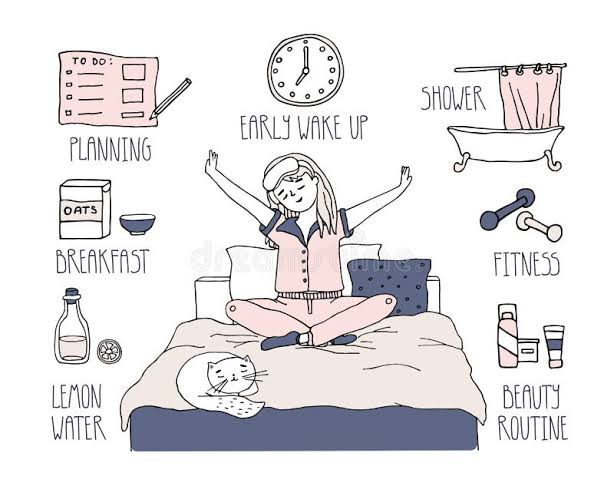
A Morning Routine is a series of activities or habits that you regularly follow after waking up.
There is no universal routine that works for everyone. Some people enjoy exercising early in the morning, while others prefer reading, journaling, walking, or spending quiet time with their family.
The purpose of a Morning Routine is not to fill every minute of your morning. Instead, it should help you transition from sleep to an active part of your day in a calm and intentional way.
A good routine can include:
- Waking up at a consistent time
- Drinking water
- Making your bed
- Getting natural light
- Washing and getting ready
- Stretching or exercising
- Eating a nutritious breakfast
- Practicing mindfulness
- Journaling
- Reviewing your priorities
- Reading
- Preparing for work or study
- Limiting unnecessary phone use
The key is consistency. A simple routine that you can follow most days is generally more useful than an elaborate routine that you abandon after a week.
The key is consistency. A simple routine that you can follow most days is generally more useful than an elaborate routine that you abandon after a week.
Why Is a Morning Routine Important in 2026?
Modern life is increasingly connected to screens, notifications, social media, remote work, artificial intelligence, and constant digital communication.
For many people, the day begins before they even leave their bed. One notification becomes ten minutes of scrolling, and ten minutes can easily become thirty.
A thoughtful Morning Routine creates a small period in which you decide what deserves your attention before other people, apps, and notifications decide for you.
A good routine can help you:
- Start the day with a clear plan
- Reduce unnecessary morning stress
- Create space for physical activity
- Develop consistent healthy habits
- Improve organization
- Protect your attention
- Make time for personal goals
- Approach work or study more intentionally
However, it is important to keep expectations realistic. A morning routine is not a magic solution that guarantees productivity or happiness. Your sleep, health, responsibilities, environment, and individual circumstances all matter.
The goal is to build habits that support your day rather than create another source of pressure.
The Best Morning Routine for 2026
There is no single perfect schedule, but the following framework provides a strong starting point.
You can adjust the timing depending on your work, school, family responsibilities, and sleep schedule.
1. Wake Up at a Consistent Time
The first step in a successful Morning Routine is maintaining a reasonably consistent wake-up schedule.
Instead of constantly changing your wake-up time, try to establish a schedule that gives you enough time to sleep and get ready without rushing.
For example, if you need to leave home at 8:00 a.m., waking up at 7:55 a.m. will probably create unnecessary stress.
Give yourself enough time to wake up gradually, complete your basic responsibilities, and prepare for the day.
Consistency matters more than choosing an impressive wake-up time.
You do not need to wake up at 4:00 or 5:00 a.m. simply because someone online claims that successful people do.
If your lifestyle works better with a 7:00 a.m. wake-up time, that can be perfectly reasonable.
The best Morning Routine is one that supports adequate sleep and fits your real life.
2. Avoid Immediately Checking Your Phone
One of the most useful changes you can make to your Morning Routine is delaying unnecessary phone use.
Your phone can instantly expose you to:
- Messages
- News
- Social media
- Emails
- Work requests
- Advertisements
- Entertainment
- Notifications
Starting your morning with all of this information can make your attention feel scattered before your day has even begun.
Instead, consider spending the first 20–30 minutes away from social media and nonessential notifications.
You can still use your phone for necessary functions such as an alarm, music, weather information, navigation, or an important message.
The goal is not to completely eliminate technology. It is to use technology intentionally.
3. Drink Water
After several hours of sleep, drinking water can be a simple way to begin your morning.
Keep a glass or bottle of water available if that makes the habit easier.
There is no need to turn hydration into a complicated ritual involving expensive powders or elaborate drinks.
For many people, plain water is an easy and practical choice.
Make hydration part of your normal morning rather than treating it as a productivity challenge.
4. Get Natural Light
Exposure to natural light in the morning can be a useful part of a healthy daily schedule.
Open your curtains, stand near a bright window, or take a short walk outside when practical.
Morning outdoor time also gives you an opportunity to move your body and get away from screens.
You do not need to spend an hour outside. Even a short period can become a pleasant transition between sleeping and beginning your daily responsibilities.
If you live in a place where weather, work schedules, or safety make outdoor time difficult, simply getting bright light indoors can still make your morning environment feel more active.
5. Make Your Bed
Making your bed takes only a few minutes, but it can provide a small sense of completion at the beginning of the day.
It is not a requirement for productivity, and skipping it will not ruin your day.
However, if you enjoy having an organized bedroom, making the bed can be an easy first task.
It also helps create a visual distinction between your sleeping space and the start of your day.
Small habits like this can make a Morning Routine feel structured without making it complicated.
6. Move Your Body

Physical movement is one of the most valuable additions to a Morning Routine.
You do not necessarily need a long workout.
Depending on your fitness level and preferences, your morning movement could include:
- Walking
- Stretching
- Yoga
- Mobility exercises
- Cycling
- Running
- Strength training
- Bodyweight exercises
- A short home workout
Even five to fifteen minutes can be a useful starting point.
If you enjoy longer workouts, you can build them into your schedule. If mornings are busy, a short session may be more realistic.
The best exercise routine is one you can perform consistently and safely.
7. Take Time for Personal Hygiene
Your Morning Routine should also include basic personal care.
Shower, brush your teeth, wash your face, get dressed, and complete whatever grooming habits make you feel comfortable and prepared.
This part of the morning may seem obvious, but it creates an important psychological transition.
Changing from sleepwear into your daytime clothes can help signal that the day has started.
If you work from home, maintaining a basic getting-ready routine can also help create separation between your personal and professional time.
8. Practice Mindfulness
You do not have to meditate for an hour to practice mindfulness.
A few quiet minutes can be enough to create a pause before your responsibilities begin.
You could:
- Sit quietly
- Focus on your breathing
- Practice meditation
- Pray or reflect
- Write in a journal
- Think about what you are grateful for
- Spend a few minutes without screens
The objective is not to force yourself to feel positive.
Instead, give yourself a moment to notice how you feel and decide what you want to focus on.
9. Write Down Your Priorities
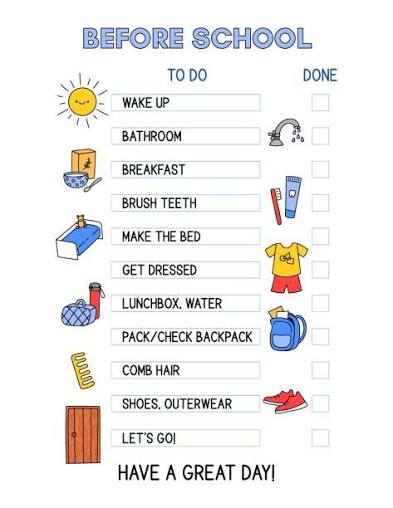
One of the most practical elements of a Morning Routine is planning.
Instead of creating an enormous to-do list, identify the few tasks that genuinely matter.
Ask yourself:
What are the most important things I need to accomplish today?
You might choose three priorities.
For example:
- Complete an important work project.
- Exercise for 30 minutes.
- Spend quality time with family.
This approach helps prevent your entire day from becoming a reaction to incoming tasks.
A long to-do list can sometimes create unnecessary pressure. A short priority list can provide direction.
10. Eat a Balanced Breakfast If It Works for You
Breakfast can be part of a healthy Morning Routine, but there is no universal requirement that everyone must eat immediately after waking.
Some people prefer breakfast early, while others have different eating schedules.
If you eat breakfast, aim for a meal that fits your nutritional needs and preferences.
Possible options include:
- Eggs and vegetables
- Oatmeal with fruit
- Yogurt with nuts and fruit
- Whole-grain toast with protein
- A smoothie containing nutritious ingredients
- Traditional home-cooked breakfast options
Rather than focusing on trendy “perfect” breakfasts, choose foods that are practical, satisfying, and appropriate for you.
11. Read Something Useful
Reading can be an excellent alternative to immediately scrolling through social media.
You could spend 10–20 minutes reading:
- A book
- An educational article
- Industry material
- A newsletter
- A personal development book
- Academic material
- A creative work
The goal isn’t to consume as much information as possible.
Instead, choose something that supports your interests or goals.
Reading can become a quiet and enjoyable part of your Morning Routine.
12. Avoid Turning Your Morning Into a Productivity Competition

One major problem with online morning-routine culture is that people can start comparing their mornings with influencers, entrepreneurs, athletes, or celebrities.
You may see someone claiming to:
- Wake up at 4:00 a.m.
- Exercise for two hours
- Meditate for an hour
- Read 50 pages
- Journal for 30 minutes
- Take a cold shower
- Work for several hours
- Prepare an elaborate breakfast
That may be their lifestyle, but it does not mean it should become yours.
A good Morning Routine should reduce unnecessary complexity rather than create more of it.
If your routine requires two hours every morning and causes you to sleep less, it may be counterproductive.
A Simple 30-Minute Morning Routine
If you have limited time, try a compact version.
First 5 Minutes: Wake Up
Get out of bed, drink some water, open the curtains, and avoid unnecessary phone scrolling.
Next 5 Minutes: Freshen Up
Brush your teeth, wash your face, and get ready.
Next 10 Minutes: Move
Walk, stretch, perform mobility exercises, or complete a short workout.
Next 5 Minutes: Plan
Identify your three most important priorities.
Final 5 Minutes: Prepare
Check what you need for work, school, appointments, or other responsibilities.
That’s it.
You do not need a complicated routine to have a productive morning.
A 60-Minute Morning Routine
If you have more time, you can create a longer routine.
0–10 Minutes: Wake Up and Hydrate
Get out of bed, drink water, open the curtains, and avoid social media.
10–25 Minutes: Exercise
Take a walk, stretch, do yoga, or complete your preferred workout.
25–35 Minutes: Shower and Get Ready
Complete your personal hygiene routine and get dressed.
35–45 Minutes: Breakfast
Eat a balanced meal if breakfast fits your schedule.
45–55 Minutes: Mindfulness or Reading
Meditate, journal, pray, reflect, or read.
55–60 Minutes: Plan
Review your calendar and identify your top priorities.
This structure is flexible. You can change the order based on your lifestyle.
The 5-5-5 Morning Routine Method
If you dislike complicated schedules, try dividing your first 15 minutes into three five-minute sections.
5 minutes for your body: Stretch, walk, or perform light movement.
5 minutes for your mind: Meditate, breathe, journal, or sit quietly.
5 minutes for your priorities: Decide what matters most today.
This simple system can be easier to maintain than a long checklist.
Should You Wake Up at 5 AM?
The idea of waking up at 5:00 a.m. has become extremely popular online.
But waking up early is not automatically better.
If you go to bed too late and wake up extremely early, you may reduce the amount of sleep you get.
Instead of asking:
“What is the earliest I can wake up?”
ask:
“What wake-up time allows me to sleep adequately and start my day comfortably?”
For some people, that might be 5:00 a.m. For others, it might be 6:30, 7:00, or later.
Your Morning Routine should be built around your actual life rather than an internet trend.
The Role of Sleep in Your Morning Routine
A great morning starts the night before.
If you regularly struggle to wake up, the solution may not be another morning hack. It may be improving your evening routine and sleep schedule.
Consider:
- Going to bed at a consistent time
- Creating a relaxing pre-sleep routine
- Reducing unnecessary late-night screen use
- Preparing clothes the night before
- Organizing your workspace
- Preparing breakfast ingredients
- Setting a realistic alarm
- Avoiding unnecessary late-night tasks
Your morning is easier when you remove friction the night before.
Prepare Your Morning the Night Before
One of the simplest productivity strategies is preparation.
Before going to bed, spend a few minutes preparing for tomorrow.
You can:
- Choose your clothes
- Pack your bag
- Prepare breakfast ingredients
- Review tomorrow’s calendar
- Write down unfinished tasks
- Clean your workspace
- Put your workout clothes somewhere visible
This reduces the number of decisions you need to make after waking.
The result is a smoother Morning Routine.
Morning Routine for Students
Students can benefit from a routine that balances preparation, movement, food, and focused study.
A student Morning Routine might look like:
- Wake up at a consistent time
- Drink water
- Get ready
- Eat breakfast if desired
- Review the day’s classes
- Check essential assignments
- Pack school materials
- Spend a few minutes reviewing important study material
- Leave with enough time to avoid rushing
Avoid spending the entire morning on social media.
If you have an exam or important assignment, use your morning energy strategically rather than immediately consuming entertainment.
Morning Routine for Working Professionals
A professional Morning Routine should help you transition into work without immediately becoming overwhelmed.
You could:
- Wake up consistently
- Move your body
- Get ready
- Eat breakfast if appropriate
- Review your calendar
- Identify your most important task
- Check essential messages
- Begin focused work
One useful approach is to avoid opening your inbox immediately.
If possible, spend a few minutes identifying your own priorities before reacting to everyone else’s requests.
Morning Routine for Remote Workers
Working from home can blur the line between personal and professional life.
A Morning Routine can create an important boundary.
Instead of waking up and immediately opening your laptop, create a short transition period.
For example:
Wake → hydrate → walk → shower → breakfast → plan → work
Even if your “commute” is only a ten-minute walk around your neighborhood, it can help create separation between sleep and work.
How to Build a Morning Routine That Actually Lasts
The hardest part is usually not designing a routine.
It is maintaining it.
Start with one or two habits.
For example:
Week 1: Wake up consistently and drink water.
Week 2: Add a ten-minute walk.
Week 3: Add five minutes of planning.
Week 4: Add reading or meditation.
Gradual progress is easier than trying to change your entire lifestyle overnight.
Use Habit Stacking
Habit stacking means attaching a new habit to something you already do.
For example:
- After brushing your teeth → drink water.
- After drinking water → open the curtains.
- After getting dressed → stretch.
- After breakfast → review your priorities.
- After planning → begin your most important task.
The existing habit becomes a reminder for the new habit.
This can make your Morning Routine easier to remember.
Keep Your Morning Routine Flexible
A routine should provide structure without becoming a prison.
Some mornings will be different.
You might:
- Sleep later
- Have an early appointment
- Travel
- Take care of a child
- Have an urgent work responsibility
- Feel tired
- Have unexpected responsibilities
Don’t abandon your routine completely because you missed one step.
Instead, create a minimum version.
For example:
Minimum Morning Routine:
- Get up
- Drink water
- Wash up
- Move for five minutes
- Identify one priority
On normal days, you can complete the full routine.
On difficult days, the minimum version keeps the habit alive.
Common Morning Routine Mistakes
Mistake 1: Making the Routine Too Long
A routine that takes three hours may sound impressive, but it can be difficult to maintain.
Start small.
Mistake 2: Copying Someone Else’s Routine
Your schedule, responsibilities, health, preferences, and energy levels are different from someone else’s.
Use other people’s routines as inspiration, not as rules.
Mistake 3: Checking Social Media Immediately
This can turn a calm morning into a reactive one.
Try delaying nonessential social media.
Mistake 4: Sacrificing Sleep
Do not sacrifice necessary sleep just to wake up earlier.
An early wake-up time is not useful if it consistently leaves you exhausted.
Mistake 5: Trying to Change Everything at Once
Trying to exercise, meditate, journal, read, cook, study, and work out every morning can become overwhelming.
Choose a few high-value habits.
Mistake 6: Treating One Bad Morning as Failure
Missing your routine once does not erase your progress.
Simply restart the next day.
How Long Should a Morning Routine Be?
There is no required duration.
A Morning Routine can take:
- 10 minutes
- 20 minutes
- 30 minutes
- 60 minutes
- 90 minutes
The ideal duration depends on your schedule.
A parent with young children may only have 15 quiet minutes.
A person with a flexible schedule may have an hour.
Both can have effective routines.
The quality and consistency of the habits matter more than the number of minutes.
A Practical Morning Routine Checklist
Use this checklist to create your own routine:
- Wake up at a consistent time
- Get out of bed without unnecessary delay
- Drink water
- Open curtains or get natural light
- Avoid unnecessary notifications
- Make your bed
- Complete personal hygiene
- Move your body
- Eat breakfast if desired
- Spend a few minutes in quiet reflection
- Review your calendar
- Choose your top three priorities
- Prepare for work or study
- Start the most important task
You don’t have to check every box.
Choose the habits that fit your life.
Best Morning Routine for Different Goals
Your Morning Routine can also change depending on your primary goal.
If Your Goal Is Productivity
Focus on:
- Planning
- Limiting distractions
- Reviewing priorities
- Starting important work early
If Your Goal Is Fitness
Focus on:
- Hydration
- Movement
- Exercise
- Appropriate nutrition
- Consistent sleep
If Your Goal Is Mental Clarity
Focus on:
- Less phone use
- Meditation
- Journaling
- Walking
- Quiet time
- Planning
If Your Goal Is Better Organization
Focus on:
- Preparing the night before
- Reviewing your calendar
- Creating priorities
- Cleaning your environment
- Reducing unnecessary decisions
The Best Morning Routine Is Personal
There is no single routine that deserves to be called the perfect Morning Routine for every person.
A successful routine should answer three questions:
Does it fit my schedule?
Does it support my priorities?
Can I realistically maintain it?
If the answer is yes, you have probably created something useful.
Don’t worry if your routine doesn’t look impressive on social media.
A routine that quietly helps you have a better day is more valuable than one that looks impressive but cannot be maintained.
Final Thoughts
The best Morning Routine for 2026 is not about waking up extremely early, completing dozens of habits, or following every productivity trend.
It is about starting your day intentionally.
Wake up at a sustainable time. Give yourself enough time to get ready. Drink water, get some light, move your body, eat according to your needs, spend a few quiet minutes away from unnecessary notifications, and identify what truly matters that day.
Most importantly, keep your routine realistic.
You don’t need a two-hour morning ritual to become more organized or productive. Sometimes the most effective Morning Routine is surprisingly simple:
Wake up → hydrate → move → get ready → plan → begin.
Start with a few habits. Practice them consistently. Adjust them when your life changes.
Your ideal Morning Routine doesn’t need to be perfect. It needs to work for you.
And in 2026, when digital distractions and competing demands can fill our attention from the moment we wake up, creating a deliberate beginning to the day can be one of the simplest ways to take back control of your time and attention.