
Best Healthy Habits 2026: 25 Simple Habits for a Healthier Life In a busy world filled with work, screens, responsibilities, and constant distractions, taking care of your health can sometimes feel difficult. The good news is that improving your health does not always require dramatic lifestyle changes. Small, consistent actions can gradually become powerful Healthy Habits that support your physical and mental well-being.
As we move through 2026, people are becoming increasingly interested in practical ways to live healthier lives without following complicated routines. Instead of searching for quick fixes, many people are focusing on sustainable habits such as getting enough sleep, eating nutritious foods, staying active, managing stress, drinking enough water, and spending less time sitting.
The best Healthy Habits are not necessarily the most difficult ones. They are habits that fit naturally into your daily life and that you can continue for months and years.
In this guide, we will explore 25 of the best Healthy Habits for 2026, why they matter, and how you can gradually incorporate them into your lifestyle.
What Are Healthy Habits?
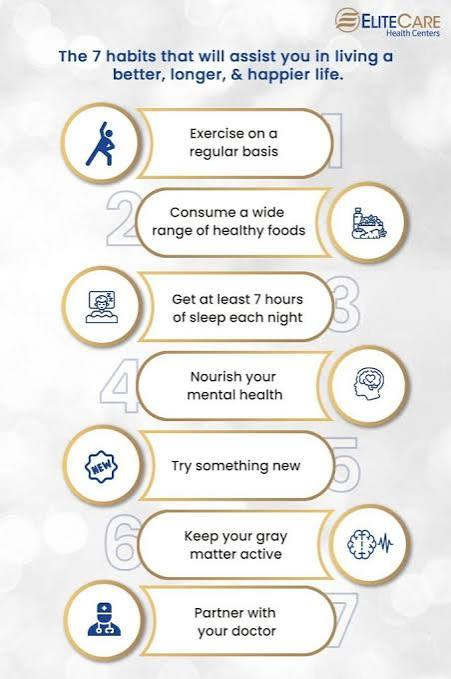
Healthy Habits are regular behaviors that support your physical, mental, emotional, or social well-being.
Examples include:
- Eating a balanced diet
- Drinking enough fluids
- Exercising regularly
- Getting sufficient sleep
- Maintaining personal hygiene
- Spending time outdoors
- Managing stress
- Maintaining social connections
- Taking breaks from screens
- Avoiding harmful substances
- Keeping up with preventive healthcare
A healthy habit does not need to be complicated.
For example, taking a short walk every day is a simple habit. Over time, regular movement can become a normal part of your lifestyle.
The key is consistency.
One healthy meal does not transform your health, and one missed workout does not destroy your progress. Long-term habits are built through repeated actions.
Why Are Healthy Habits Important in 2026?
Modern lifestyles can make healthy living challenging.
Many people spend long periods sitting, work with computers, use smartphones throughout the day, eat meals while distracted, sleep irregularly, and experience significant levels of stress.
Technology has made many aspects of life easier, but it can also make it easier to remain inactive or constantly connected.
Developing Healthy Habits can help you create balance.
Healthy habits can support:
- Physical fitness
- Energy levels
- Sleep quality
- Mental well-being
- Concentration
- Daily productivity
- Healthy weight management
- Social well-being
- Long-term health
However, Healthy Habits should not be viewed as a guarantee against illness. Genetics, environment, access to healthcare, age, and many other factors influence Healthy Habits
The goal is to create behaviors that support your overall well-being.
25 Best Healthy Habits for 2026
1. Eat More Whole Foods
One of the most useful Healthy Habits is building meals around nutritious, minimally processed foods.
Try including a variety of:
- Vegetables
- Fruits
- Whole grains
- Beans and lentils
- Nuts and seeds
- Eggs
- Fish or other protein sources
- Dairy or suitable alternatives
You do not need to completely eliminate processed foods.
Instead, focus on creating a balanced overall eating pattern.
Adding more nutritious foods can often be easier than creating a long list of foods you are not allowed to eat.
2. Drink Enough Water
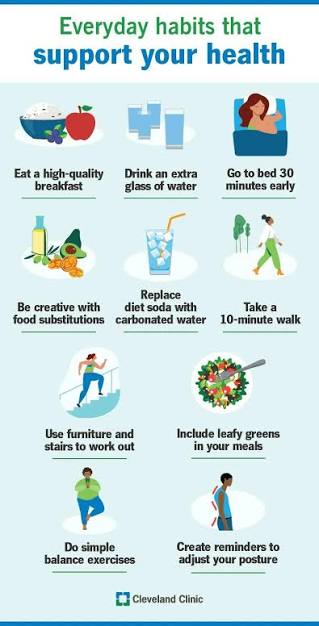
Staying hydrated is another simple Healthy Habit.
Water needs vary depending on factors such as body size, activity level, climate, and diet.
Instead of obsessing over one universal number, pay attention to your body’s needs and your healthcare professional’s advice when appropriate.
Keep a reusable water bottle nearby if it helps you drink regularly.
You can also get water from foods and other beverages.
If you exercise heavily or spend time in hot weather, your fluid needs may increase.
3. Make Sleep a Priority
Sleep is often overlooked when people create health goals.
A healthy lifestyle is difficult to maintain when you regularly sleep poorly.
Create a consistent sleep schedule when possible.
Helpful habits may include:
- Going to bed at a consistent time
- Waking up at a consistent time
- Creating a relaxing evening routine
- Keeping your bedroom comfortable
- Limiting stimulating activities before bed
- Avoiding unnecessary late-night screen use
Adults generally need around seven or more hours of sleep per night, although individual needs vary.
Rather than treating sleep as wasted time, consider it an important part of your daily health routine.
4. Exercise Regularly
Physical activity is one of the most important Healthy Habits you can develop.
You do not have to become an athlete.
Choose activities you enjoy, such as:
- Walking
- Cycling
- Swimming
- Running
- Dancing
- Yoga
- Strength training
- Sports
- Hiking
The best exercise is often the activity you can perform consistently.
If you currently do very little exercise, start gradually.
A short daily walk can be a practical beginning.
5. Take More Steps
You do not need to spend every day in a gym to become more active.
Look for opportunities to move throughout the day.
You can:
- Take the stairs
- Walk during breaks
- Park farther away when practical
- Walk while talking on the phone
- Take short movement breaks
- Do household chores
- Go for an evening walk
Breaking up long periods of sitting with movement can make your day more active.
6. Eat More Fruits and Vegetables
Fruits and vegetables provide important nutrients and dietary fiber.
Try adding variety rather than eating the same foods every day.
Different colors can help you naturally diversify your choices.
For example:
- Green vegetables
- Red fruits
- Orange vegetables
- Purple produce
- Yellow fruits
Fresh, frozen, and appropriately prepared canned produce can all be useful depending on your circumstances.
7. Include Protein in Your Meals
Protein is an important nutrient involved in many functions in the body.
Protein-rich foods can include:
- Eggs
- Fish
- Poultry
- Dairy products
- Beans
- Lentils
- Tofu
- Nuts
- Seeds
Your individual protein needs depend on factors such as age, body size, activity level, and health status.
Rather than following a one-size-fits-all target, build balanced meals that include an appropriate protein source.
8. Reduce Excessive Added Sugar
Sugar itself is not something you need to fear, but consuming large amounts of added sugar regularly can make it harder to maintain a balanced diet.
Common sources include:
- Sugary drinks
- Candy
- Sweetened desserts
- Some packaged snacks
- Sweetened breakfast products
You do not necessarily have to eliminate these foods.
Instead, make them occasional choices while emphasizing nutrient-rich foods most of the time.
One practical change is replacing sugary drinks with water or unsweetened beverages more often.
9. Practice Good Personal Hygiene
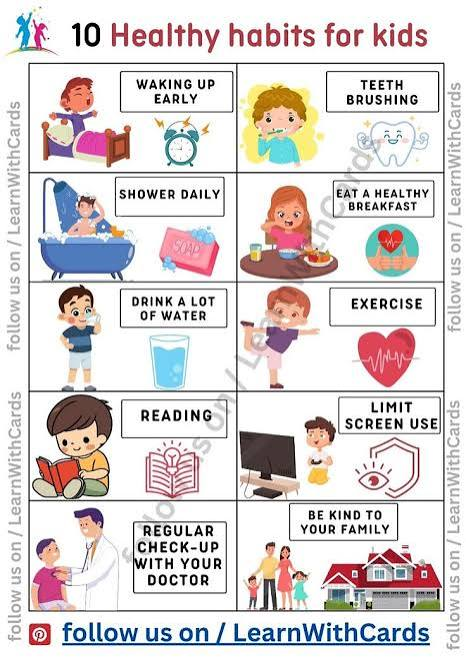
Basic hygiene remains one of the most important Healthy Habits.
Important practices include:
- Washing your hands regularly
- Brushing your teeth
- Flossing or cleaning between teeth
- Showering regularly
- Keeping nails clean
- Washing food properly when appropriate
- Maintaining clean living spaces
These simple habits can contribute to overall health and comfort.
10. Spend Time Outdoors
Spending time outdoors can be a refreshing break from screens and indoor environments.
You might:
- Take a morning walk
- Visit a park
- Garden
- Go hiking
- Sit outside
- Cycle outdoors
Outdoor activity can combine movement, fresh air, and a change of environment.
Remember to use appropriate sun protection when spending time outdoors, particularly during strong sunlight.
11. Practice Stress Management
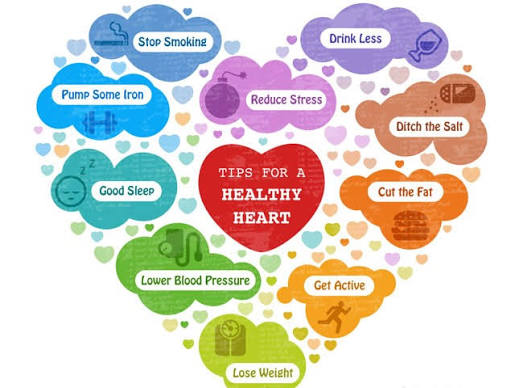
Stress is a normal part of life, but constantly feeling overwhelmed can affect your overall well-being.
Develop healthy ways to manage everyday stress.
Possible approaches include:
- Walking
- Exercise
- Deep breathing
- Meditation
- Journaling
- Listening to music
- Talking with someone you trust
- Spending time in nature
- Taking appropriate breaks
You do not need to eliminate every source of stress.
Instead, develop strategies that help you respond to challenges more effectively.
If stress becomes severe, persistent, or difficult to manage, consider talking with a qualified healthcare or mental health professional.
12. Limit Unnecessary Screen Time
Screens are now part of work, education, communication, and entertainment.
The goal does not have to be eliminating screens.
Instead, identify situations where screen use is unnecessary.
Try:
- Taking screen breaks
- Keeping your phone away during meals
- Avoiding unnecessary scrolling
- Spending time on hobbies
- Walking without your phone when practical
- Having screen-free periods during the day
This can create more time for movement, social interaction, hobbies, and rest.
13. Maintain Good Posture and Movement
If you work at a desk, avoid remaining in exactly the same position for hours.
Adjust your workspace so it is comfortable and take regular movement breaks.
Stand up, stretch, walk around, or change positions.
There is no single perfect posture that you must maintain all day.
Regular movement and an ergonomic setup can be more practical than trying to hold one rigid position continuously.
14. Make Time for Friends and Family
Health is not only physical.
Strong social connections can be an important part of overall well-being.
Make time for people who matter to you.
You could:
- Eat meals together
- Call a friend
- Visit family
- Participate in community activities
- Join a sports group
- Share a hobby
Even a short conversation can help maintain meaningful connections.
15. Practice Mindful Eating
Many people eat while watching videos, working, or scrolling through social media.
Try occasionally eating without distractions.
Pay attention to:
- Hunger
- Fullness
- Taste
- Texture
- Portion size
- How different foods make you feel
Mindful eating does not mean following strict food rules.
It simply means becoming more aware of the experience of eating.
16. Plan Your Meals
Planning meals can make healthy choices easier.
Before the week begins, consider what you will eat for several meals.
You can prepare ingredients such as:
- Vegetables
- Grains
- Beans
- Protein sources
- Fruit
- Healthy snacks
Meal planning may also reduce the temptation to rely entirely on whatever food is easiest when you are hungry.
Keep the system simple.
You do not need to prepare every meal for an entire month.
17. Avoid Smoking and Tobacco Products
Avoiding tobacco is an important health habit.
If you smoke or use tobacco products and want to quit, consider speaking with a healthcare professional about evidence-based cessation support.
Quitting can be difficult, and needing support does not mean you lack willpower.
The important thing is to seek practical assistance when needed.
18. Be Careful With Alcohol
If you drink alcohol, understanding your consumption and its potential health effects is important.
Some people choose not to drink at all, while others may drink occasionally.
If you are concerned about your alcohol use, talking with a healthcare professional can help.
Healthy living does not require copying someone else’s habits.
Choose behaviors that support your individual health and circumstances.
19. Keep Up With Preventive Healthcare
One of the most overlooked Healthy Habits is staying up to date with appropriate preventive healthcare.
Depending on your age, sex, family history, and individual circumstances, this may include:
- Routine medical checkups
- Dental appointments
- Eye examinations
- Recommended vaccinations
- Appropriate screening tests
- Monitoring relevant health measurements
Preventive care recommendations vary between individuals and countries.
Speak with a qualified healthcare professional about what is appropriate for you.
20. Take Care of Your Mental Health
Mental health deserves the same attention as physical health.
Make space for activities that help you relax and maintain emotional balance.
This might include:
- Talking to someone you trust
- Journaling
- Creative hobbies
- Meditation
- Exercise
- Spending time outdoors
- Taking breaks
- Seeking professional support when needed
You do not have to wait until you are in crisis to take care of your mental health.
21. Spend Less Time Sitting
Modern work can involve long periods of sitting.
Try incorporating movement into your schedule.
For example:
Every 30–60 minutes: stand up and move around when practical.
You can walk to refill your water, stretch, or briefly change your position.
These small interruptions can make an otherwise sedentary day more active.
22. Create a Consistent Daily Schedule
A basic daily schedule can make Healthy Habits easier to maintain.
Try establishing regular times for:
- Waking
- Meals
- Exercise
- Work or study
- Relaxation
- Sleep
Your schedule does not need to be rigid.
The goal is to create enough structure that healthy behaviors become easier to repeat.
23. Learn to Read Food Labels
Understanding food labels can help you make informed choices.
Pay attention to:
- Serving size
- Protein
- Fiber
- Added sugars
- Sodium
- Calories
- Ingredients
Do not judge an entire food solely by one number.
Look at the overall nutritional picture and consider how the food fits into your diet.
24. Practice Good Oral Health
Your mouth is an important part of your overall health.
Basic oral-care habits include:
- Brushing your teeth regularly
- Cleaning between your teeth
- Replacing your toothbrush or brush head when appropriate
- Limiting frequent sugary snacks and drinks
- Visiting a dental professional regularly
Follow the recommendations of your dentist for your individual needs.
25. Be Consistent Instead of Perfect
Perhaps the most important Healthy Habit is learning to think long term.
You will have days when:
- You skip exercise
- You eat fast food
- You sleep late
- You don’t drink enough water
- You spend too much time online
That is normal.
The goal is not perfection.
The goal is to return to your healthy habits instead of giving up completely.
How to Build Healthy Habits That Last
Knowing what to do is only half the challenge.
The bigger question is:
How do you make Healthy Habits stick?
Start With One Habit
Don’t change your entire lifestyle overnight.
Choose one habit.
For example:
Week 1: Walk for 10 minutes each day.
Week 2: Add more vegetables to one meal.
Week 3: Create a consistent bedtime.
Week 4: Add short strength-training sessions.
Small changes can gradually create a larger lifestyle transformation.
Make Habits Easy
If a habit is difficult to start, reduce the effort required.
Want to exercise in the morning?
Put your workout clothes somewhere visible.
Want to drink more water?
Keep a bottle near your desk.
Want to eat more fruit?
Keep fruit where you can easily see it.
Your environment can influence your behavior.
Track Your Progress
A simple habit tracker can help you see consistency.
You can use:
- A notebook
- A calendar
- A habit-tracking app
- A simple checklist
Avoid becoming obsessed with streaks.
Missing one day is not a failure.
Return to the habit when you can.
A Simple Healthy Daily Routine
Here is an example of how Healthy Habits can fit into a normal day.
Morning
- Wake up at a consistent time
- Drink water
- Get some natural light
- Move your body
- Eat a nutritious breakfast if desired
- Plan your priorities
Afternoon
- Eat a balanced lunch
- Drink water
- Take movement breaks
- Spend some time outdoors if possible
- Avoid sitting continuously for long periods
Evening
- Eat a balanced dinner
- Spend time with family or friends
- Reduce unnecessary screen use
- Prepare for tomorrow
- Relax before bed
Night
- Follow a consistent bedtime
- Create a comfortable sleep environment
- Get enough sleep for your individual needs
This routine does not need to be followed perfectly.
Adapt it to your lifestyle.
Healthy Habits for Busy People
Being busy is one of the most common barriers to healthy living.
If you have limited time, focus on the basics.
5-Minute Healthy Habits
- Drink water
- Stretch
- Walk around
- Prepare fruit for later
- Take a few slow breaths
- Clean your workspace
10-Minute Healthy Habits
- Go for a short walk
- Prepare a nutritious snack
- Do mobility exercises
- Call a friend
- Practice mindfulness
20-Minute Healthy Habits
- Complete a short workout
- Prepare a simple healthy meal
- Take a longer walk
- Spend time outdoors
You do not need hours every day to improve your lifestyle.
Common Mistakes When Building Healthy Habits
Trying to Change Everything
Changing ten things at once can become overwhelming.
Start with one or two habits.
Following Extreme Diets
Extreme restrictions are often difficult to maintain.
Focus on balanced eating patterns instead.
Expecting Immediate Results
Healthy changes can take time.
Don’t abandon a habit simply because you don’t see immediate results.
Comparing Yourself With Others
Everyone starts from a different place.
Compare your current habits with your previous habits instead.
Giving Up After a Bad Day
One unhealthy meal does not define your lifestyle.
One missed workout does not erase your progress.
Restart at the next opportunity.
How Technology Can Support Healthy Habits in 2026
Technology can either support healthy living or become a source of distraction.
Use it intentionally.
Depending on your needs, technology can help you:
- Track physical activity
- Set reminders
- Monitor sleep patterns
- Plan meals
- Schedule appointments
- Follow workout