
Best Ways to Reduce Plastic in 2026: Practical Ways to Reduce Plastic Waste has become an important part of modern life. It is used in food packaging, shopping bags, water bottles, household products, personal-care items, electronics, clothing, and many other everyday products. While plastic is useful, affordable, and durable, excessive plastic consumption has created major environmental challenges.
In 2026, finding practical ways to Reduce Plastic waste is more important than ever. Individuals, families, schools, businesses, and communities can all contribute by making simple changes to their daily habits.
The goal does not have to be becoming completely plastic-free. Instead, people can focus on avoiding unnecessary plastic, replacing single-use products with reusable alternatives, reusing items safely, and recycling correctly.
This guide explains the best ways to Reduce Plastic in 2026 and provides practical ideas that can easily become part of everyday life.
1. Understand Why We Need to Reduce Plastic
Before changing our habits, it is important to understand why plastic reduction matters.
Plastic is highly durable, which makes it useful for many products. However, that same durability means plastic waste can remain in the environment for a very long time. When plastic products are improperly discarded, they can enter landfills, streets, rivers, lakes, oceans, and other natural areas.
Single-use plastic is especially concerning because many products are used for only a few minutes before being thrown away. Plastic bags, disposable cups, straws, food wrappers, bottles, and takeaway containers are common examples.
Plastic waste can also break down into extremely small particles called microplastics. These particles can spread through water, soil, air, and food systems.
Learning to Reduce Plastic therefore means more than simply keeping our surroundings clean. It means changing the way we consume, reuse, and dispose of products.
Small changes can make a difference when they are adopted by large numbers of people. The objective is to Reduce Plastic and create habits that are realistic, practical, and sustainable over the long term.
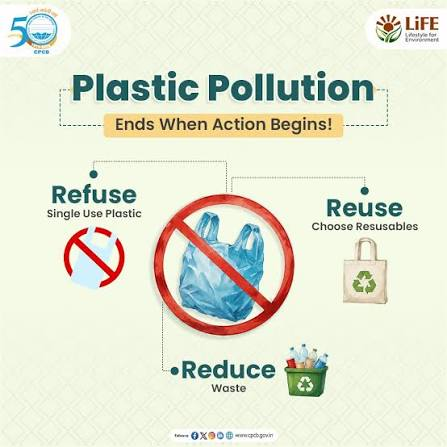
2. Replace Single-Use Plastic With Reusable Products
One of the easiest ways to Reduce Plastic is to replace frequently used disposable products with reusable alternatives.
Start with everyday items such as shopping bags, water bottles, coffee cups, lunch boxes, food containers, and cutlery.
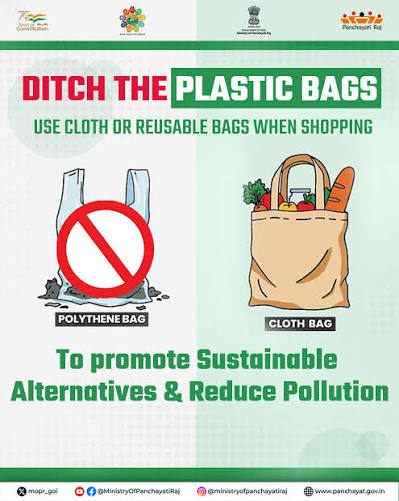
Carry a reusable shopping bag whenever you go to the market or grocery store. Cloth, jute, and other durable bags can be used repeatedly instead of accepting a new disposable bag every time you shop.
A reusable water bottle is another simple change. Instead of purchasing a new plastic bottle whenever you are thirsty, carry your own bottle and refill it whenever safe drinking water is available.
Similarly, reusable coffee cups can help Reduce Plastic disposable drink containers. If you regularly purchase tea or coffee outside your home, keep a reusable cup in your bag, car, or workplace.
Reusable lunch boxes and food containers can also replace disposable packaging. Students, office workers, and travelers can carry homemade meals without relying on disposable plastic bags and containers.
These small replacements can gradually become everyday habits.
3. Reduce Plastic Packaging When Shopping
Shopping is one of the areas where people can make significant changes.
Many products are sold with layers of plastic packaging even when some of it may not be necessary. When shopping, compare different products and look for options that use less packaging.
Choose loose fruits and vegetables when they are available instead of products wrapped in unnecessary plastic. Larger packages can sometimes reduce the amount of packaging compared with several individually wrapped products.
Refill systems are another useful option. Products such as cleaning supplies, soaps, detergents, and personal-care products may sometimes be available in refill formats.
Instead of buying a completely new container every time a product runs out, a refill system allows the original container to be reused.
You can also support local markets and businesses where products may be available with less packaging. Carry your own reusable bags and containers where appropriate.
Before buying something, ask yourself:
- Do I really need this product?
- Does it have unnecessary packaging?
- Can I buy a refill?
- Can I reuse the packaging?
- Is there a more durable alternative?
These questions encourage more responsible purchasing decisions and help Reduce Plastic at its source.
4. Reduce Plastic in the Kitchen
The kitchen is another important area for reducing plastic waste.
Food storage, grocery shopping, takeaway meals, and disposable kitchen products can create a significant amount of plastic waste.
Instead of relying heavily on disposable plastic containers and bags, consider reusable glass or stainless-steel containers. Reusable food-storage bags and suitable reusable covers can also replace some disposable plastic products.
Plastic wrap is convenient, but it does not always need to be used. Depending on the food and storage requirements, reusable containers, covers, or other suitable alternatives may work just as well.
When ordering takeaway food, consider whether you actually need disposable cutlery. If you are eating at home, you can use your regular utensils.
You can also carry reusable containers when purchasing food from businesses that allow customers to bring their own containers.
Another important habit is to avoid wasting food. Buying only what you need can reduce the amount of packaging associated with unnecessary purchases.
By making a few practical kitchen changes, households can significantly Reduce Plastic waste over time.
5. Make Better Personal-Care Choices
Personal-care products are another common source of plastic packaging.
Shampoo bottles, conditioner containers, body-wash bottles, cosmetic packaging, toothbrushes, and other bathroom products can create considerable waste.
Consumers can look for refillable products, products with minimal packaging, and reusable containers where practical.
Some people choose alternatives such as shampoo bars instead of traditional bottled shampoo. Refillable soap dispensers can also reduce the number of containers purchased over time.
However, sustainability does not mean replacing every product in your home immediately. A better approach is to use existing products until they are finished and then consider lower-waste alternatives when you need replacements.
This gradual approach can help you Reduce Plastic without unnecessary spending or waste.
6. Reuse Products and Choose Quality
Reusing products is an important part of reducing waste.
Before throwing away a plastic container or household item, consider whether it can safely be reused for another purpose.
Clean containers may sometimes be useful for organizing household items, storing craft supplies, or other appropriate purposes. However, always consider the material and intended use before reusing plastic for food or heating.
Another useful strategy is to choose quality over quantity.
Cheap disposable products may need to be replaced frequently. Durable products can sometimes last much longer and therefore reduce the amount of waste produced.
When something breaks, consider repairing it before purchasing a replacement. Repairing bags, household products, furniture, electronics, and other items can extend their useful life.
A culture of reuse and repair can help people move away from the habit of buying something, using it briefly, and immediately throwing it away.
7. Recycle Plastic Correctly
Reducing consumption should come before recycling whenever possible, but recycling remains an important part of responsible waste management.
Different communities accept different types of plastic, so it is important to learn about your local recycling system.
Separate recyclable materials according to local guidelines and avoid mixing recyclable items with food waste or other contaminated materials.
Many plastic products contain identification symbols or numbers that provide information about the type of plastic used. However, the presence of a recycling symbol does not necessarily mean that your local recycling facility accepts that particular item.
Always check local guidelines before placing plastic in a recycling bin.
Remember the basic approach:
Reduce → Reuse → Recycle
First, avoid unnecessary plastic. Second, reuse suitable products. Finally, recycle materials that can be processed through your local system.
8. Reduce Plastic at School, College, and Work
Educational institutions and workplaces can make a significant contribution to reducing plastic waste.
Students can carry reusable water bottles, lunch boxes, and appropriate stationery products. Schools and colleges can organize recycling programs, awareness campaigns, clean-up activities, and sustainability projects.
Teaching students how to Reduce Plastic can help establish environmentally responsible habits at a young age.
Workplaces can make similar changes.
Employees can use reusable cups, bottles, food containers, and utensils. Offices can reduce unnecessary disposable items in kitchens, meetings, and events.
Businesses can also work with suppliers that provide products with less packaging.
Even small workplace changes can make a considerable difference when they are followed every day.
9. Reduce Plastic While Travelling and Attending Events
Travel can increase the use of disposable products because people often purchase bottled drinks, packaged food, takeaway meals, and other convenience items.
Planning ahead can make it easier to Reduce Plastic while travelling.
Before leaving home, prepare a reusable travel kit containing items such as:
- Reusable water bottle
- Shopping bag
- Food container
- Reusable cup
- Reusable cutlery
- Suitable refillable personal-care containers
Events such as birthdays, weddings, family gatherings, and office parties can also create significant plastic waste.
Where practical, use reusable plates, cups, and cutlery instead of disposable alternatives. Choose decorations that can be stored and reused rather than items that are designed to be thrown away after one event.
Thoughtful planning can make travel and celebrations enjoyable while producing less unnecessary waste.
10. Make Sustainable Clothing Choices
Clothing is another area where people can make more responsible choices.
Many synthetic fabrics are made using plastic-based materials. Instead of constantly purchasing new clothes, consumers can focus on buying quality garments that can be worn for longer.
Repair damaged clothing instead of immediately replacing it. Donate clothes that are still usable and consider second-hand clothing where appropriate.
Wearing clothes for longer can reduce the demand for new products and the resources required to manufacture them.
When washing synthetic clothing, responsible laundry practices may also help reduce the release of small fibers into wastewater.
The objective is not to stop using every synthetic material. Instead, consumers can become more conscious about what they buy, how often they buy it, and how long they use it.
11. Encourage Families and Communities to Reduce Plastic
Individual efforts become more powerful when families and communities work together.
Families can create simple household habits such as carrying reusable bags, avoiding unnecessary plastic bottles, using reusable food containers, and separating recyclable materials.
Children can participate in simple activities such as organizing recycling bins, learning about different materials, and helping with household waste separation.
Communities can organize clean-up activities in parks, streets, rivers, lakes, and other public spaces.
However, cleaning up existing waste should be combined with prevention. The long-term objective should be to Reduce Plastic waste before it enters the environment.
Community awareness campaigns can help people understand how their everyday decisions affect the amount of waste produced.
12. Support Businesses With Sustainable Practices
Consumers can influence businesses through their purchasing decisions.
When possible, look for businesses that offer refill systems, reusable packaging, minimal packaging, or other waste-reduction practices.
Customers can also ask businesses whether alternatives to unnecessary plastic packaging are available.
Businesses, in turn, can explore ways to reduce unnecessary packaging, redesign products, introduce refill systems, and encourage customers to reuse containers.
This creates a positive cycle in which customer demand encourages businesses to develop more sustainable options.
Supporting businesses that take practical steps toward reducing unnecessary waste can help make lower-waste products more widely available.
13. Create a Personal Plastic-Reduction Plan
A personal plan can make it easier to turn good intentions into long-term habits.
Start by observing your plastic consumption for one week. Pay attention to how many plastic bags, bottles, wrappers, containers, and other disposable products you use.
Then choose two or three habits to change.
For example:
Week 1: Carry a reusable shopping bag.
Week 2: Start carrying a reusable water bottle.
Week 3: Reduce packaged snacks.
Week 4: Improve household waste separation.
You can continue adding new habits as you become comfortable with the previous ones.
A simple checklist can help you track your progress.
Most importantly, do not expect perfection. Plastic is used in many important products, including medical equipment, electronics, transportation, safety products, and other essential items.
The realistic goal for most people is to Reduce Plastic where practical and avoid unnecessary consumption
.
14. Benefits of Reducing Plastic
Making an effort to reduce plastic can provide several environmental and lifestyle benefits.
Cleaner Surroundings
Using less disposable plastic can help reduce litter in streets, parks, public spaces, rivers, and other natural areas.
Less Household Waste
Reusable products and reduced packaging can decrease the amount of waste generated by households.
Better Shopping Habits
When people think carefully about packaging and product durability, they often become more conscious consumers.
Greater Environmental Awareness
Learning how to Reduce Plastic can encourage people to think about other sustainable practices as well.
Support for Sustainable Businesses
Consumers who prefer products with less packaging can encourage businesses to improve their product and packaging systems.
Long-Term Lifestyle Changes
Small habits can eventually become part of a person’s normal routine. Carrying a reusable bottle or bag may seem like a small action, but repeating that action every day can reduce the need for many disposable products.
Healthier Communities
Reducing plastic use can contribute to cleaner and healthier communities. When fewer plastic items are thrown away, there is less waste accumulating in public areas, drains, and open spaces. Cleaner surroundings can make neighborhoods more pleasant and encourage people to take better care of their environment. Communities that focus on reducing unnecessary plastic can also develop stronger habits around recycling, reuse, and responsible waste disposal.
Protection of Wildlife
One of the important benefits of reducing plastic is helping protect wildlife. Animals can accidentally eat plastic waste or become trapped in discarded bags, wrappers, bottles, and other products. Plastic waste can also reach rivers, lakes, and oceans, where it can affect aquatic animals. By choosing reusable products and avoiding unnecessary single-use items, people can help reduce the amount of plastic entering natural habitats.
Saving Resources
Plastic production requires raw materials, energy, and other resources. When consumers use fewer disposable plastic products, the demand for producing new items can gradually decrease. Reusing a bottle, container, shopping bag, or food box multiple times can make better use of resources than repeatedly purchasing disposable alternatives. This can encourage a more resource-conscious lifestyle.
Encouraging Reuse
Reducing plastic often encourages people to find creative ways to reuse items. Glass jars can become storage containers, reusable bags can be used for shopping, and durable food containers can replace disposable packaging. Reusing products can extend their useful life and reduce the need to purchase replacements frequently.
Cleaner Waterways
Plastic waste can easily travel through drains and waterways during rainfall. It may eventually reach rivers, lakes, and oceans. Reducing plastic consumption and disposing of waste properly can help keep waterways cleaner. This is especially important for communities that depend on rivers and other water sources for daily activities, agriculture, and recreation.
Positive Influence on Others
Individual actions can influence family members, friends, classmates, and coworkers. When one person regularly carries a reusable bottle or refuses unnecessary plastic packaging, others may become interested in adopting similar habits. Over time, these small examples can create a stronger culture of responsible consumption.
More Responsible Consumption
Learning to Reduce Plastic can also change the way people shop. Instead of choosing products based only on convenience, consumers may begin considering durability, packaging, reusability, and environmental impact. This can encourage people to purchase products they genuinely need and avoid unnecessary disposable items.
Overall, reducing plastic is not about changing everything at once. It is about making practical choices whenever possible. Replacing disposable products with reusable alternatives, avoiding unnecessary packaging, reusing
15. Conclusion: Start Small and Reduce Plastic Every Day
The best ways to Reduce Plastic in 2026 are practical habits that can become part of everyday life.
You do not have to completely eliminate plastic overnight. Start by replacing common single-use products with reusable alternatives. Carry a reusable water bottle and shopping bag, use reusable food containers, choose products with less packaging, purchase refills where available, reuse suitable items, and recycle correctly according to local guidelines.
You can also Reduce Plastic at school, college, work, while travelling, and during social events. Families and communities can work together to create cleaner surroundings and encourage better waste-management habits.
The most important step is simply to begin.
One reusable bottle, one shopping bag, one refill, or one avoided disposable item may seem small on its own. However, when these choices become everyday habits and millions of people participate, they can contribute to meaningful reductions in unnecessary plastic waste.
In 2026, reducing plastic is not about perfection. It is about making smarter choices, using products for longer, avoiding unnecessary waste, and encouraging others to do the same.
By choosing to Reduce Plastic today, we can build more responsible consumption habits and contribute to a cleaner, healthier, and more sustainable future.