
Students have busy schedules filled with classes, homework, exams, sports, social activities, and personal responsibilities. With so much to manage every day, nutrition can sometimes become less important than convenience. However, the foods students eat can play an important role in supporting their energy, growth, concentration, and overall well-being. Choosing Healthy Foods for Students can be a simple way to build better eating habits and maintain a balanced lifestyle.
A nutritious diet does not have to be expensive, complicated, or boring. Students can enjoy a wide range of delicious foods while getting important nutrients from fruits, vegetables, whole grains, dairy products, pulses, eggs, nuts, seeds, and other protein-rich foods. The key is to focus on variety and balance rather than depending heavily on processed snacks and sugary drinks.
This guide explains the importance of nutritious food for students and explores practical Healthy Foods for Students that can be included in breakfast, lunch, dinner, and snacks. It also provides simple meal ideas and useful tips for students who want to improve their everyday eating habits.
1. Why Healthy Foods Are Important for Students
The body needs nutrients to perform everyday functions, and students need energy for studying, attending classes, traveling, exercising, and completing daily responsibilities. A balanced diet can provide carbohydrates, proteins, fats, vitamins, minerals, and fiber.
Including Healthy Foods for Students in regular meals can help students create a more balanced diet. Foods such as vegetables, fruits, whole grains, pulses, eggs, dairy products, nuts, and seeds offer different nutrients that contribute to overall nutrition.
Good eating habits Healthy Foods for Students are also easier to maintain when students plan meals ahead of time. Rather than waiting until they are extremely hungry, students can keep nutritious snacks available and prepare simple meals in advance.
2. Fresh Fruits for Everyday Nutrition
Fruits are convenient, naturally sweet, and easy to include in a student’s daily diet. Apples, bananas, oranges, guava, papaya, watermelon, pears, mangoes, and berries can all add variety to meals.
One advantage of fruit is convenience. Healthy Foods for Students A banana or apple can be carried to school, college, work, or a sports practice without requiring complicated preparation.
Fruit can also be combined with other Healthy Foods for Students to make more satisfying meals. For example, students can add bananas and berries to oatmeal or combine sliced fruit with plain yogurt and nuts.
Choosing seasonal fruits can also be a practical way to enjoy different flavors while managing a food budget.
3. Green Vegetables
Vegetables are another important part of a nutritious eating pattern. Spinach, broccoli, peas, beans, cabbage, carrots, cucumber, tomatoes, and other vegetables can provide fiber, vitamins, minerals, and other beneficial nutrients.
Students who do not enjoy plain vegetables can incorporate them into meals they already like. Vegetables can be added to sandwiches, wraps, omelets, pasta, rice dishes, soups, curries, and homemade pizzas.
For example, a vegetable omelet can combine eggs with spinach, tomatoes, onions, and peppers. A homemade wrap can contain vegetables, paneer, beans, or chicken.
Including vegetables regularly makes Healthy Foods for Students more colorful, varied, and enjoyable.
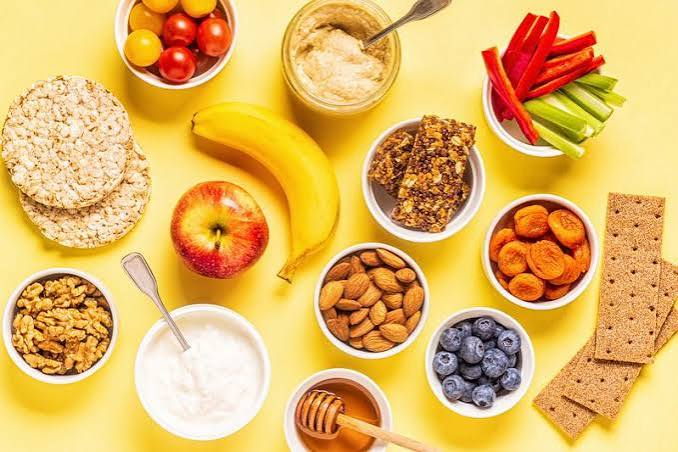
4. Eggs as a Convenient Protein Source
Eggs are an affordable and versatile food that can be prepared in many ways. Boiled eggs, omelets, scrambled eggs, and egg sandwiches can all make convenient meals.
Protein is an important nutrient involved in growth and tissue maintenance. Students can include eggs as part of breakfast or another meal depending on their dietary preferences.
A simple breakfast could include two eggs, whole-grain toast, and a serving of fruit. Students can also prepare boiled eggs in advance for a convenient snack.
For vegetarian students or those who avoid eggs, foods such as lentils, beans, tofu, paneer, yogurt, and other protein-rich options can provide alternatives.
5. Whole Grains for Energy
Whole grains can be useful sources of carbohydrates and fiber. Examples include oats, brown rice, whole-wheat bread, whole-wheat roti, barley, and whole-grain pasta. Healthy Foods for Students
Carbohydrates are an important source of energy, particularly for students who have active schedules.
Oatmeal with fruit and nuts can make a quick breakfast. Whole-wheat roti can be served with dal and vegetables for lunch or dinner. Brown rice can be combined with beans, vegetables, and yogurt for a balanced meal.
Including whole grains is one practical way to make Healthy Foods for Students part of everyday meals.
6. Nuts and Seeds
Nuts and seeds are convenient foods that can be added to snacks and meals. Almonds, walnuts, peanuts, pumpkin seeds, sunflower seeds, and chia seeds contain protein, fats, fiber, vitamins, and minerals.
Students can carry a small portion of nuts as a snack or add seeds to oatmeal, yogurt, smoothies, or salads.
Because nuts and seeds are energy-dense, portion awareness can be useful. Students with food allergies should carefully avoid foods containing allergens and follow appropriate safety advice. Healthy Foods for Students
7. Milk, Yogurt, and Curd
Dairy products such as milk, yogurt, curd, and paneer can be valuable parts of a balanced diet. They provide protein and nutrients such as calcium.
A bowl of yogurt with fruit can be a quick snack. Milk can be added to oatmeal or enjoyed with breakfast. Paneer can be used in wraps, sandwiches, curries, or vegetable dishes. Healthy Foods for Students
Students who do not consume dairy can explore suitable fortified alternatives based on their individual nutritional needs.
These foods can make Healthy Foods for Students easier to include in everyday meals without requiring complicated preparation.
8. Lentils, Beans, and Pulses
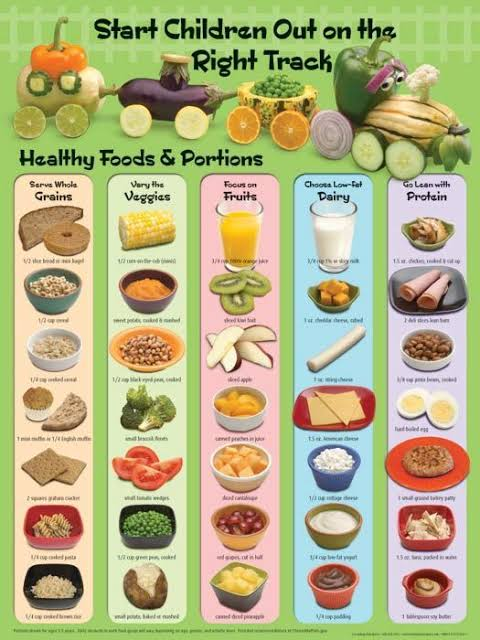
Lentils and beans are particularly useful foods for students because they can provide protein, fiber, and other nutrients while also being versatile and affordable.
Common choices include dal, chickpeas, kidney beans, black beans, peas, and other pulses. These can be prepared as curries, soups, salads, or fillings for wraps and sandwiches.
In Indian meals, dal with rice or roti is a familiar combination. Rajma with rice and chickpeas with roti can also make satisfying meals.
Adding pulses regularly can make Healthy Foods for Students accessible even for students who prefer vegetarian meals. Healthy Foods for Students
9. Oatmeal for a Quick Breakfast
Many students skip breakfast because they have limited time in the morning. Oatmeal can be a convenient option because it is relatively quick to prepare.
Students can make oats with milk or another suitable liquid and add bananas, apples, berries, nuts, seeds, or yogurt.
For additional flavor, cinnamon or fresh fruit can be used instead of relying heavily on added sugar.
Preparing overnight oats the night before can also save time during busy mornings. Healthy Foods for Students
10. Sweet Potatoes
Sweet potatoes can be another useful addition to a student’s diet. They provide carbohydrates, fiber, and several vitamins and minerals.
They can be boiled, baked, or roasted and eaten as part of a meal or snack.
Students can combine sweet potatoes with beans, yogurt, vegetables, or eggs to create a more balanced meal.
Simple preparation makes them suitable for students who want nutritious options without spending a lot of time cooking.
11. Fish and Lean Meat
Students who eat non-vegetarian foods can include fish and lean meat as protein sources. Fish and chicken can be prepared in many ways and added to rice bowls, salads, sandwiches, wraps, or main meals.
Cooking methods such as baking, grilling, steaming, or light cooking can be used more often instead of relying exclusively on deep-fried preparations.
Fish can also provide beneficial fats depending on the type. Healthy Foods for Students
For students following vegetarian diets, tofu, paneer, lentils, beans, and other plant-based foods can be used instead.
12. Healthy Snacks for Busy Students
Snacking can become a challenge when students spend long hours away from home. Packaged snacks are convenient, but students can also prepare simple alternatives.
Some practical Healthy Foods for Students snack options include:
- Fresh fruit
- Yogurt
- Roasted chickpeas
- Homemade popcorn
- Nuts and seeds
- Boiled eggs
- Vegetable sandwiches
- Whole-grain toast
- Homemade wraps
- Fruit smoothies
Keeping Healthy Foods for Students readily available can make it easier to choose nutritious snacks when hunger occurs between meals.
13. Healthy Breakfast Ideas
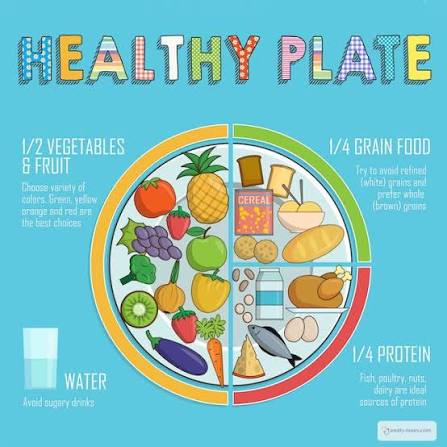
Breakfast can be simple while still providing variety Healthy Foods for Students . Students do not need elaborate recipes every morning.
Some options include:
- Oatmeal with banana and nuts
- Vegetable omelet with whole-grain toast
- Yogurt with fruit and seeds
- Vegetable poha with curd
- Upma with vegetables
- Whole-wheat paneer sandwich
- Egg and vegetable wrap
- Fruit smoothie with oats
Students who have very busy mornings can prepare some ingredients the previous evening.
The goal is to create a breakfast containing a useful combination of carbohydrates, protein, and other nutrient-rich foods.
14. Healthy Lunch Ideas
Lunch should provide enough nutrition to keep students going through the afternoon.
A balanced lunch might include roti, dal, vegetables, and curd. Another option could be rice with rajma, vegetables, and salad.
Students can also prepare sandwiches or wraps using whole-grain bread, vegetables, paneer, eggs, beans, chicken, or another protein source.
Preparing lunch at home can make it easier to control ingredients and include a variety of Healthy Foods for Students.
Students who eat lunch at school or college can look for meals that include vegetables, whole grains, and protein-rich foods when available.
15. Healthy Dinner Options
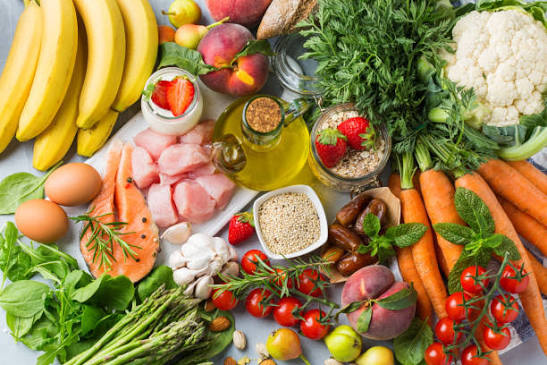
Dinner can follow the same basic principles as breakfast and lunch.
Some simple options include:
- Dal with roti and vegetables
- Rice with beans and salad
- Paneer with vegetables
- Chicken with vegetables and rice
- Vegetable soup with whole-grain bread
- Egg and vegetable curry with roti
- Tofu and vegetable stir-fry
Students should consider their hunger, activity level, preferences, and daily routine when planning dinner.
There is no need for every meal to look identical. Variety makes a healthy eating routine easier to enjoy.
16. Healthy Foods During Exam Season
Exam periods can make eating habits less organized. Students may spend hours studying and rely on packaged snacks or caffeinated beverages.
Preparing food before a study session can help. Fruit, yogurt, nuts, roasted chickpeas, sandwiches, boiled eggs, and homemade meals can be convenient options.
Students should also remember to drink water regularly. Heavy dependence on sugary drinks or energy drinks is not a substitute for proper meals, hydration, and adequate sleep.
Having Healthy Foods for Students available during exams can make it easier to maintain a regular eating routine.
17. Foods Students Should Limit
A healthy diet does not mean completely avoiding favorite foods. However, foods that are very high in added sugar, sodium, or unhealthy fats are generally better consumed less frequently.
Examples can include:
- Sugary soft drinks
- Excessive sweets
- Deep-fried fast foods
- Highly processed snack foods
- Very sugary breakfast products
- Excessively salty packaged snacks
Students can still enjoy their favorite foods occasionally while making nutritious foods the regular foundation of their diet. Healthy Foods for Students
18. The Importance of Drinking Water
Hydration is an important part of a healthy lifestyle. Water should generally be the primary drink throughout the day.
Students can carry a reusable water bottle to school, college, sports practice, or work.
Students involved in physical activities may have increased fluid needs depending on the intensity of exercise, climate, and individual circumstances. Healthy Foods for Students
Replacing some sugary beverages with water is a simple habit that can complement a diet based on Healthy Foods for Students.
19. Affordable Healthy Food Choices
Eating nutritious food does not necessarily require a large budget. Students can choose affordable staples such as oats, rice, potatoes, lentils, beans, eggs, seasonal vegetables, and seasonal fruits.
Buying ingredients in reasonable quantities and cooking at home can also help reduce dependence on expensive takeaway meals.
Students can prepare large batches of dal, beans, rice, or vegetables and safely store portions for later meals.
Planning meals before shopping can prevent unnecessary purchases and make it easier to maintain a nutritious food budget.
20. Meal Planning for Students
Busy schedules make planning especially useful. Students can spend a few minutes each week deciding what they will eat for breakfast, lunch, dinner, and snacks.
A basic shopping list could include:
- Fruits
- Vegetables
- Whole grains
- Eggs
- Lentils
- Beans
- Yogurt or suitable alternatives
- Nuts and seeds
- Protein-rich foods
Meal planning helps ensure that Healthy Foods for Students are available when needed.
Students can also prepare certain foods in advance, such as boiled eggs, chopped vegetables, overnight oats, or cooked beans.
21. Healthy Eating and Physical Activity
Nutrition and physical activity are closely connected. Students who participate in football, basketball, running, cycling, gym workouts, or other sports may need enough food and fluids to support their activity.
Carbohydrate-rich foods can provide energy for physical activity, while protein-rich foods contribute to muscle maintenance and repair.
A balanced meal after physical activity might include a protein source, carbohydrate source, vegetables or fruit, and adequate fluids.
Students with demanding sports schedules may benefit from personalized nutrition advice from a qualified professional.
22. Benefits of Developing Healthy Eating Habits
Learning about nutritious food during student life can help establish habits that continue into adulthood.
A balanced diet provides the body with different nutrients and supports normal growth and development.
Students who regularly eat a variety of foods may also become more comfortable with meal planning, cooking, grocery shopping, and understanding nutrition labels.
Learning how to choose Healthy Foods for Students can therefore provide practical skills that are useful beyond school or college.
23. Simple Ways to Improve Your Diet
Students do not have to change everything at once. Small changes can make healthy eating more realistic.
Try these simple habits:
- Include fruit in your daily routine.
- Add vegetables to lunch and dinner.
- Keep nutritious snacks nearby.
- Drink water regularly.
- Include a protein source in meals.
- Choose whole grains more often.
- Prepare some meals at home.
- Avoid skipping meals regularly.
- Limit highly processed snacks.
- Try different fruits and vegetables.
These habits can gradually make Healthy Foods for Students a normal part of everyday life.
24. Creating a Balanced Student Meal
A balanced meal does not have to be complicated. Students can think about including several food groups in the same meal.
For example, a plate might contain vegetables, a grain such as rice or roti, and a protein source such as dal, beans, eggs, paneer, chicken, or fish.
Fruit and yogurt can be added depending on the meal and individual preferences.
The exact portion sizes and nutritional needs vary from person to person. Students with specific dietary requirements should seek individualized advice from a qualified healthcare or nutrition professional.
25. Why Food Variety Matters
Eating a wide variety of foods can make meals more enjoyable and provide different nutrients.
Students can rotate different vegetables throughout the week and experiment with different protein sources.
For example, one day could include dal, another could include chickpeas, and another could include eggs, paneer, tofu, chicken, or fish.
Similarly, students can alternate between rice, roti, oats, potatoes, and other grain or carbohydrate sources.
This variety keeps Healthy Foods for Students interesting rather than making nutritious eating feel repetitive.
26. A Simple Daily Food Plan
Here is an example of a simple student meal routine:
Breakfast: Oatmeal with milk, banana, and nuts.
Mid-Morning: An apple or another seasonal fruit.
Lunch: Roti or rice with dal, vegetables, and curd.
Evening Snack: Yogurt with fruit or roasted chickpeas.
Dinner: Paneer, beans, chicken, eggs, or fish with vegetables and roti or rice.
Drinks: Water throughout the day.
This is only an example. Every student’s nutritional requirements are different, and meals should be adjusted according to dietary preferences, allergies, cultural foods, activity levels, and individual needs.
27. Tips for Students Living Away From Home
College students living in hostels or rented accommodation may have limited access to kitchens. Even in these situations, simple nutritious choices can be made.
Students can keep convenient foods such as bananas, apples, nuts, seeds, roasted chickpeas, whole-grain crackers, or yogurt when suitable storage is available.
When eating at a cafeteria, students can look for meals containing vegetables and protein-rich foods instead of relying exclusively on fried snacks.
Learning a few simple recipes can also be useful for students with access to basic cooking facilities.
28. Building Long-Term Healthy Habits
The purpose of healthy eating is not to follow a perfect diet for a few days. It is to create habits that are realistic enough to continue.
Students can start by making one or two changes, such as drinking more water, eating fruit daily, adding vegetables to lunch, or preparing homemade snacks.
Once these habits become comfortable, additional changes can be introduced.
A flexible approach makes Healthy Foods for Students easier to maintain throughout busy school years, college life, and beyond.
29. Final Thoughts on Healthy Student Nutrition
Good nutrition is an important part of a student’s overall lifestyle. Students need food that supports their daily activities while also providing a variety of essential nutrients.
The best approach is to focus on variety, balance, moderation, and consistency. Fruits, vegetables, whole grains, pulses, beans, eggs, dairy products, nuts, seeds, fish, and lean meats can all have a place in a balanced diet.
Students should not feel pressured to make every meal perfect. Instead, they can focus on making nutritious choices more often while enjoying favorite foods in moderation.
By planning meals, drinking enough water, choosing nutritious snacks, and learning basic cooking skills, students can make healthier eating easier and more affordable.
Ultimately, Healthy Foods for Students are not about following strict food rules. They are about giving students practical choices that fit their lifestyle and help them build positive eating habits for the future.
Conclusion
Choosing Healthy Foods for Students can be a simple but valuable step toward a balanced lifestyle. Nutritious foods provide important nutrients while helping students meet the demands of their busy daily routines.
From fresh fruits and vegetables to whole grains, eggs, dairy products, pulses, beans, nuts, seeds, and other protein-rich foods, there are many options to choose from. Students can create healthy meals without relying on expensive ingredients or complicated recipes.
The key is consistency. Small changes such as eating more fruits and vegetables, drinking water, preparing snacks at home, choosing whole grains, and including protein in meals can gradually become long-term habits.
A healthy student lifestyle is about more than food alone. Regular physical activity, adequate sleep, hydration, and balanced meals all contribute to overall well-being.
With simple planning and a little creativity, students can enjoy nutritious, delicious, and affordable meals every day while developing habits that can benefit them for years to come.