Best Ways to Reduce Stress in 2026. Stress has become a common part of modern life. Busy work schedules, academic pressure, financial responsibilities, social media, family commitments, and constant digital connectivity can make it difficult to relax. While some stress is normal, long-lasting stress can affect your mood, sleep, concentration, relationships, and overall quality of life. Learning healthy Ways to Reduce Stress can help you feel calmer, more focused, and better prepared to handle everyday challenges.
In 2026, people are increasingly looking for practical and simple Ways to Reduce Stress that can fit into busy lifestyles. You do not always need major lifestyle changes to feel better. Small habits such as taking short breaks, exercising regularly, improving sleep, spending time outdoors, and managing your daily schedule can make a meaningful difference.
This guide explores some of the most useful Ways to Reduce Stress and explains how you can incorporate them into your everyday routine.
1. Start Your Day With a Calm Morning Routine
The way you begin your morning can influence the rest of your day. Rushing out of bed, immediately checking notifications, or thinking about unfinished tasks can create unnecessary pressure.
One of the simplest Ways to Reduce Stress is to create a peaceful morning routine. Wake up at a consistent time, drink some water, stretch your body, and spend a few minutes planning your day. Avoid checking social media immediately after waking up.
A calm morning gives your mind time to adjust before you begin dealing with responsibilities. You can also include activities such as reading, meditation, journaling, or listening to relaxing music.
Try keeping your morning routine simple. You do not need to spend an hour completing multiple activities. Even 10 to 20 minutes of quiet time can help you begin your day with a clearer mindset.
2. Practice Deep Breathing
When people experience stress, their breathing may become faster or shallower. Conscious breathing can help you slow down and create a sense of calm.
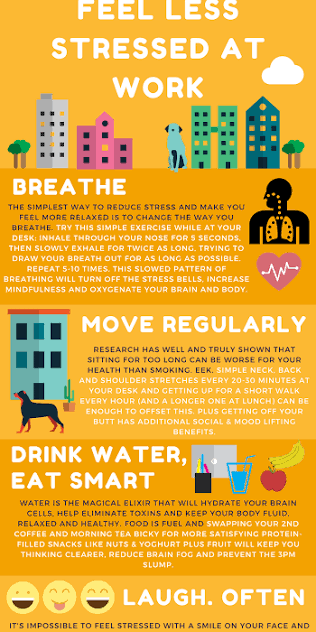
Deep breathing is among the easiest Ways to Reduce Stress because it can be practiced almost anywhere. Sit comfortably, relax your shoulders, and slowly breathe in through your nose. Allow your abdomen to expand as you inhale. Then breathe out slowly.
Repeat this process several times while focusing your attention on your breathing. You can practice deep breathing at home, at work, while studying, or before an important meeting.
Making breathing exercises part of your daily routine can also encourage you to pause instead of reacting immediately when something stressful happens.
3. Exercise Regularly
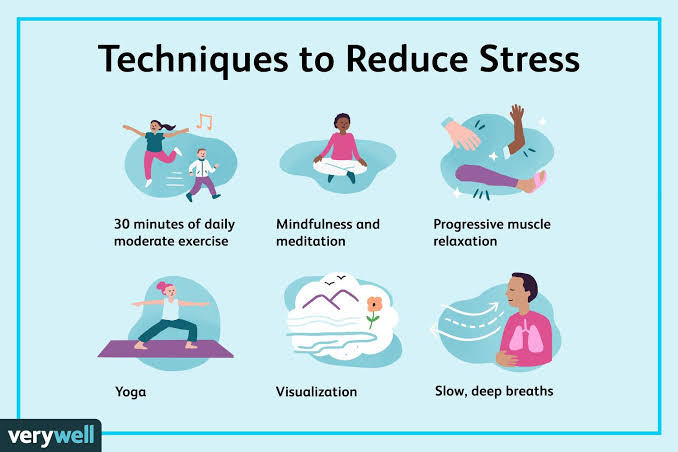
Physical activity is one of the most effective lifestyle habits for managing everyday stress. Exercise helps you move your body, improve your energy, and take your attention away from stressful thoughts.
Regular exercise is one of the practical Ways to Reduce Stress that can be adapted to almost any lifestyle. You do not necessarily need an expensive gym membership. Walking, cycling, swimming, dancing, stretching, jogging, or playing a sport can all become part of an active routine.
Aim to choose activities that you actually enjoy. When exercise feels enjoyable rather than like another obligation, it becomes easier to maintain consistently.
Even a short walk during a busy day can provide a useful break. If you spend several hours sitting at a desk, standing up and moving around regularly can also help you feel refreshed.
4. Improve Your Sleep Schedule
Poor sleep can make everyday problems feel more difficult. When you are tired, concentration may decrease and your ability to handle frustration can become weaker.
Improving sleep is therefore one of the important Ways to Reduce Stress. Try going to bed and waking up at approximately the same time each day. Create a comfortable sleeping environment and avoid unnecessary distractions.
Reducing screen use before bedtime may also help you create a more relaxing nighttime routine. Instead of scrolling through social media, consider reading a book, listening to calm music, stretching, or practicing relaxation exercises.
Adults generally need around seven or more hours of sleep each night, although individual needs can vary. If you regularly have serious sleep problems, consider speaking with a qualified healthcare professional.
5. Take Regular Breaks From Screens
Digital devices have become an essential part of modern life, but continuous screen exposure can leave you mentally tired. Work emails, messages, social media updates, online meetings, and news can keep your brain constantly engaged.
Taking digital breaks is one of the useful Ways to Reduce Stress in today’s connected world. Set specific times when you put your phone away and focus on something offline.
For example, you could avoid using your phone while eating meals or take a short technology-free break after several hours of work.
You can also turn off unnecessary notifications. Reducing interruptions allows you to concentrate on one activity instead of constantly responding to new alerts.
6. Spend Time Outdoors
Spending time outside can provide a welcome change from indoor environments and digital screens. A walk in a park, sitting in a garden, or simply getting some fresh air can create an opportunity to pause.
Connecting with nature is another simple Ways to Reduce Stress strategy that requires little equipment or expense. You can combine outdoor time with walking, photography, gardening, reading, or casual conversation.
Try making outdoor activities part of your weekly schedule rather than waiting until you feel overwhelmed.
If you work indoors for most of the day, even a short outdoor break can help break the repetitive cycle of sitting at a desk and staring at a screen.
7. Manage Your Time More Effectively
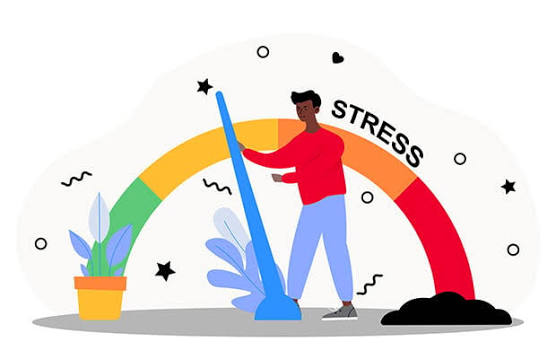
A long list of unfinished tasks can make you feel overwhelmed. Poor time management may cause people to rush from one responsibility to another without taking proper breaks.
Learning better time management is among the most practical Ways to Reduce Stress for students, professionals, business owners, and parents.
Start by writing down your most important tasks. Divide large projects into smaller steps and decide which activities require immediate attention.
Avoid trying to complete everything simultaneously. Multitasking can make it harder to concentrate. Instead, focus on one important task at a time whenever possible.
A realistic schedule should also include breaks, meals, exercise, and personal time. Productivity is not about filling every minute of the day. It is about using your time intentionally.
8. Avoid Unnecessary Multitasking
Multitasking may seem productive, but constantly switching between tasks can leave you mentally exhausted. Answering messages while working, checking notifications while studying, or watching videos while completing important work can reduce concentration.
Choosing focused work periods is one of the helpful Ways to Reduce Stress. Select one task and give it your full attention for a set amount of time.
After completing the task or reaching a natural stopping point, take a short break before moving to something else.
This approach can make your workload feel more organized and manageable.
9. Practice Mindfulness
Mindfulness involves paying attention to the present moment instead of constantly worrying about the past or future.
Practicing mindfulness is one of the valuable Ways to Reduce Stress because it encourages you to notice your thoughts, emotions, surroundings, and physical sensations without immediately reacting to them.
You can practice mindfulness while walking, eating, drinking tea, showering, or sitting quietly. Focus on what you can see, hear, smell, and feel.
Mindfulness does not require complicated equipment or a special location. With regular practice, it can become a useful part of your daily routine.
10. Try Meditation
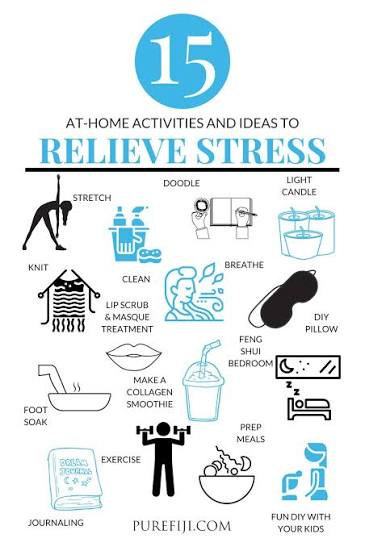
Meditation is another popular method for creating moments of calm. It can be practiced for a few minutes or for longer periods depending on your preference.
For many people, meditation is among the accessible Ways to Reduce Stress because it requires very little space or equipment.
Begin by sitting comfortably in a quiet location. Close your eyes if comfortable and focus on your breathing. When your mind wanders, gently bring your attention back to your breath.
Do not become frustrated if your thoughts keep appearing. The goal is not necessarily to stop thinking completely. Instead, meditation can help you practice observing thoughts without becoming completely absorbed by them.
11. Maintain Healthy Eating Habits
Food plays an important role in overall wellbeing. Skipping meals or relying heavily on highly processed foods can make it harder to maintain consistent energy throughout the day.
Healthy eating is one of the supportive Ways to Reduce Stress because balanced meals can contribute to steady energy and overall physical wellbeing.
Try including a variety of vegetables, fruits, whole grains, protein sources, and healthy fats in your meals. Drink enough water and pay attention to how different foods make you feel.
You do not need to follow an extreme diet. Focus instead on creating sustainable eating habits that fit your lifestyle.
12. Limit Excessive Caffeine
Caffeine can help improve alertness, but consuming too much may cause some people to feel restless or interfere with sleep.
Being mindful of caffeine intake can therefore be one of the helpful Ways to Reduce Stress, particularly if you notice that coffee, energy drinks, or other caffeinated beverages make you feel anxious or affect your sleep.
Consider avoiding caffeine close to bedtime and monitor how your body responds to different amounts.
Everyone responds differently, so finding a moderate routine that works for you is important.
13. Talk to Someone You Trust
Stress can feel heavier when you keep everything to yourself. Talking with a trusted friend, family member, colleague, teacher, or mentor can provide emotional support.
Social connection is one of the meaningful Ways to Reduce Stress because sharing your thoughts can help you feel less isolated.
You do not always need someone to solve your problems. Sometimes simply having someone listen can be comforting.
Make time for relationships that make you feel respected, supported, and comfortable. A short conversation, phone call, or shared meal can strengthen social connections.
14. Learn to Say No
Trying to please everyone can lead to an overloaded schedule. If you continuously accept responsibilities that you do not have the time or energy to manage, stress can increase.
Learning to set healthy boundaries is one of the important Ways to Reduce Stress. Saying no does not necessarily mean being rude or unhelpful. It means recognizing your own limits.
Before accepting a new commitment, consider whether you have enough time and energy for it. If you cannot take something on, communicate politely and clearly.
Healthy boundaries can protect your personal time and reduce unnecessary pressure.
15. Organize Your Workspace
A cluttered workspace can make it harder to concentrate. When papers, files, devices, and other items are scattered around you, completing simple tasks may feel more difficult.
Organizing your workspace is one of the simple Ways to Reduce Stress that can make your environment feel more manageable.
Keep frequently used items within easy reach and remove unnecessary objects from your desk. Organize digital files as well as physical materials.
A clean and comfortable workspace does not need to look perfect. The goal is to create an environment where you can work without unnecessary distractions.
16. Listen to Music
Music can influence your mood and create a pleasant atmosphere. Listening to songs you enjoy can give you a mental break from repetitive or stressful activities.
Using music intentionally is another enjoyable Ways to Reduce Stress option. You might listen to calm instrumental music while relaxing or choose energetic music while exercising.
Create different playlists for different activities. A relaxing playlist can become part of your evening routine, while upbeat music may help you stay motivated during exercise.
17. Spend Time With Family and Friends
Strong relationships can provide emotional support during challenging periods. Spending quality time with people you care about can remind you that you do not have to handle everything alone.
Social activities are among the valuable Ways to Reduce Stress because positive interactions can provide enjoyment and a sense of connection.
You do not need elaborate plans. Have dinner together, take a walk, play a board game, watch a movie, or simply talk about your day.
Regular social connection can be more meaningful than occasional large gatherings.
18. Spend Time on Hobbies
Hobbies give you an opportunity to do something because you enjoy it rather than because you have to complete it.
Making time for hobbies is one of the enjoyable Ways to Reduce Stress. Painting, cooking, gardening, photography, reading, writing, gaming, crafts, music, and sports are just a few possibilities.
Choose an activity that makes you feel engaged and gives your mind a break from responsibilities.
Even 20 or 30 minutes dedicated to a hobby can provide a valuable mental reset.
19. Keep a Journal
Writing down your thoughts can help you organize what is happening in your mind. A journal can be used to record worries, goals, achievements, ideas, or daily experiences.
Journaling is one of the reflective Ways to Reduce Stress because it creates a private space to process thoughts.
You can write freely without worrying about grammar or structure. Another approach is to write three things you are grateful for each evening.
The goal is not to create a perfect journal. It is simply to give yourself time to reflect.
20. Break Large Problems Into Smaller Steps
Large problems can seem impossible when viewed as one giant task. Breaking them into smaller actions can make them feel more manageable.
This problem-solving approach is one of the practical Ways to Reduce Stress when dealing with work, education, household responsibilities, or personal goals.
For example, instead of thinking, “I have an entire project to complete,” identify the first small step. Complete that step and then move to the next.
Progress does not always happen quickly. What matters is creating a clear path forward.
21. Avoid Constant Negative News Consumption
Staying informed is useful, but constantly consuming negative news can become emotionally exhausting.
Creating boundaries around news consumption is among the modern Ways to Reduce Stress. Choose reliable sources and specific times to check updates instead of repeatedly refreshing news feeds throughout the day.
You can also avoid consuming stressful content immediately before bedtime.
Being informed does not require being connected to every update every minute.
22. Practice Positive Self-Talk
The way you speak to yourself can influence how you respond to difficult situations. Constantly criticizing yourself can increase emotional pressure.
Using realistic and supportive self-talk is another helpful Ways to Reduce Stress. Instead of thinking, “I cannot handle anything,” try identifying what you can control and focusing on the next step.
Positive self-talk does not mean pretending that problems do not exist. It means responding to yourself with patience and understanding.
Treat yourself with the same kindness you would offer to a friend facing a difficult day.
23. Make Time for Relaxation
Many people schedule work, appointments, meetings, and responsibilities but forget to schedule rest.
Making relaxation a regular part of your day is one of the important Ways to Reduce Stress. You can read, take a warm shower, sit quietly, practice breathing exercises, or simply enjoy a few minutes without doing anything productive.
Rest is not wasted time. Your mind and body need opportunities to recover.
Even short periods of intentional relaxation can help you transition from work mode to personal time.
24. Spend Less Time Comparing Yourself to Others
Social media can make it easy to compare your life with carefully selected images of other people’s lives.
Reducing unhealthy comparison is one of the useful Ways to Reduce Stress in the digital age. Remember that online content often shows selected moments rather than someone’s complete reality.
Focus on your own progress, goals, and circumstances.
If certain accounts consistently make you feel inadequate or unhappy, consider muting or unfollowing them.
25. Create Realistic Goals
Unrealistic goals can create constant pressure. Setting achievable goals gives you a clearer sense of direction.
Goal setting is among the effective Ways to Reduce Stress because it can transform vague worries into specific actions.
Instead of setting ten major goals at once, choose a few priorities. Divide them into weekly or daily tasks.
Celebrate small achievements along the way. Progress is easier to maintain when you recognize the work you are already doing.
26. Learn Relaxation Techniques
Relaxation techniques can include deep breathing, progressive muscle relaxation, meditation, gentle stretching, and guided relaxation exercises.
Learning several techniques gives you different Ways to Reduce Stress depending on the situation.
For example, breathing exercises may be useful during a stressful moment, while stretching may be better after sitting for several hours.
Experiment with different approaches and identify what helps you feel more comfortable.
27. Keep a Consistent Daily Routine
A predictable routine can make daily responsibilities feel more organized. When you know approximately when you will work, eat, exercise, relax, and sleep, there may be fewer decisions to make throughout the day.
Creating structure is one of the practical Ways to Reduce Stress for people with busy schedules.
Your routine does not have to be rigid. Leave some flexibility for unexpected events.
The goal is to create a basic framework that supports your priorities rather than controlling every minute.
28. Spend Time Doing Nothing
Modern life often encourages constant productivity. However, your mind sometimes needs periods without tasks, notifications, or entertainment.
Allowing yourself to simply sit quietly can be surprisingly effective. It is another of the simple Ways to Reduce Stress that costs nothing.
Look outside a window, sit in a peaceful location, enjoy a cup of tea, or take a slow walk without listening to anything.
These quiet moments can provide a break from constant stimulation.
29. Ask for Professional Support When Needed
Self-care can be useful, but sometimes stress becomes difficult to manage alone. If stress is persistent, overwhelming, or interfering with daily life, consider talking with a qualified mental health professional or healthcare provider.
Professional support is an important part of the broader Ways to Reduce Stress because everyone has different circumstances and needs.
A professional can help you understand your experiences and identify appropriate strategies.
Seeking support is not a sign of weakness. It is one way of taking your wellbeing seriously.
30. Build a Sustainable Stress-Management Plan
The most useful approach is not necessarily choosing one technique. Instead, combine several healthy habits that fit naturally into your life.
Creating a personalized plan can bring together different Ways to Reduce Stress, such as exercise, sleep, time management, relaxation, social connection, hobbies, and digital breaks.
Start with two or three habits rather than changing everything at once. Once they become comfortable, gradually introduce additional habits.
Remember that stress management is not about eliminating every stressful situation. Life will always include challenges. The goal is to develop healthier ways of responding to those challenges.
How to Create a Stress-Free Routine in 2026
Creating a calmer lifestyle does not require completely changing your daily schedule. Start by identifying the biggest sources of pressure in your life.
Ask yourself:
- What situations make me feel most stressed?
- Am I getting enough sleep?
- Do I regularly exercise?
- How much time do I spend on my phone?
- Do I have enough personal time?
- Am I taking on too many responsibilities?
- Do I have people I can talk to?
- What activities help me feel relaxed?
Once you identify your major stress triggers, choose practical Ways to Reduce Stress that directly address them.
For example, if work is causing pressure, time management and regular breaks may help. If poor sleep is a problem, creating a consistent nighttime routine may be useful. If social media contributes to anxiety, setting digital boundaries could make a difference.
The most important factor is consistency. A small habit practiced regularly can be more sustainable than a major change that lasts only a few days.
Simple Daily Schedule for Managing Stress
A balanced daily schedule can include several healthy habits.
Morning: Wake up at a consistent time, drink water, stretch, and avoid immediately checking notifications.
Work or Study: Prioritize important tasks, take short breaks, and avoid unnecessary multitasking.
Afternoon: Eat a balanced meal and take a short walk or outdoor break.
Evening: Complete important responsibilities, spend time with family or friends, and enjoy a hobby.
Night: Reduce screen use, practice relaxation, prepare for the next day, and maintain a consistent bedtime.
This type of routine combines several Ways to Reduce Stress without requiring major changes to your lifestyle.
Common Mistakes to Avoid When Managing Stress
While trying to manage stress, people sometimes create additional pressure for themselves. One common mistake is expecting immediate results.
Stress management is a gradual process. Some habits may make you feel better quickly, while others may take time.
Another mistake is trying too many strategies simultaneously. Start small and build your routine gradually.
Ignoring sleep is another common problem. Exercise, healthy food, and productivity techniques cannot fully replace adequate rest.
It is also important not to isolate yourself. Maintaining healthy relationships can be an important source of emotional support.
Finally, remember that different Ways to Reduce Stress work differently for different people. What helps one person may not work equally well for someone else.
Benefits of Managing Stress Effectively
Developing healthier stress-management habits can support many areas of daily life. You may find it easier to concentrate, organize responsibilities, maintain relationships, sleep consistently, and enjoy everyday activities.
The goal of using Ways to Reduce Stress is not to create a perfect life without challenges. Instead, effective stress management can help you develop healthier responses when difficult situations appear.
When you regularly care for your physical and emotional wellbeing, you may become better prepared to handle ordinary pressures.
Small habits can become powerful when they are repeated consistently.
Final Thoughts
Stress is a normal part of life, but you do not have to allow it to control every part of your day. Building healthy routines, getting enough sleep, exercising, managing your time, taking digital breaks, connecting with others, and making room for relaxation can all support a calmer lifestyle.
The best Ways to Reduce Stress are usually the ones that you can realistically maintain. You do not need to change everything overnight. Begin with one simple habit and gradually build from there.
Whether you are a student, professional, parent, business owner, or simply someone trying to create a healthier lifestyle, small daily choices can make your routine feel more balanced.
In 2026, technology and busy schedules will continue to shape everyday life, making it even more important to create intentional moments for rest and recovery. Use these Ways to Reduce Stress as a starting point, adapt them to your lifestyle, and focus on steady progress rather than perfection.
If stress feels persistent, overwhelming, or begins interfering significantly with your everyday life, consider reaching out to a qualified healthcare or mental health professional for personalized support.
Frequently Asked Questions
1. What are the easiest Ways to Reduce Stress?
Some simple options include deep breathing, walking, taking short breaks, listening to music, spending time outdoors, talking with someone you trust, and practicing mindfulness. The most effective approach depends on your individual lifestyle and circumstances.
2. How can I reduce stress quickly?
Slow breathing, stepping away from a stressful situation, taking a short walk, stretching, or spending a few quiet minutes away from screens may help you create a calmer moment.
3. Can exercise help manage stress?
Regular physical activity can support overall wellbeing and may help people manage everyday stress. Choose an activity you enjoy so that it becomes easier to maintain consistently.
4. Does sleep affect stress?
Yes. Poor or insufficient sleep can make it more difficult to manage everyday challenges. Maintaining a consistent sleep schedule and creating a relaxing nighttime routine can support better rest.
5. Can meditation help with stress?
Meditation can be a useful relaxation practice for many people. Starting with a few minutes of focused breathing or guided meditation can make the practice easier to incorporate into your routine.
6. How can I manage stress at work?
Prioritize important tasks, take regular breaks, avoid unnecessary multitasking, organize your workspace, set reasonable boundaries, and make time for recovery after work.
7. How can students manage stress?
Students can benefit from realistic study schedules, regular breaks, physical activity, adequate sleep, healthy meals, social support, and avoiding last-minute work whenever possible.
8. When should I seek professional help?
If stress becomes persistent, overwhelming, or significantly interferes with your daily activities, relationships, sleep, work, or studies, consider speaking with a qualified healthcare or mental health professional.
9. Are there natural Ways to Reduce Stress?
Healthy lifestyle practices such as exercise, adequate sleep, spending time outdoors, mindfulness, deep breathing, hobbies, social connection, and balanced nutrition can support everyday stress management.
10. What is the most important thing to remember about stress management?
There is no single solution that works for everyone. Focus on sustainable habits, make gradual changes, and seek professional support when stress becomes difficult to manage on your own.