
Best Historical Places in Punjab In 2026. Punjab is a land where history, spirituality, culture, architecture, and bravery come together to create an unforgettable travel experience. From magnificent forts and royal palaces to sacred gurdwaras and important freedom memorials, the state offers countless destinations for travelers who want to understand India’s rich past. The Historical Places in Punjab reflect different periods, including the Sikh Empire, Mughal era, British period, ancient civilizations, and India’s freedom struggle.
Whether you are a history lover, a photography enthusiast, a spiritual traveler, or someone planning a family trip, Punjab has something meaningful to offer. Many of its heritage attractions are located in and around cities such as Amritsar, Patiala, Bathinda, Anandpur Sahib, Ludhiana, Fatehgarh Sahib, and Kapurthala. In 2026, exploring these destinations can be an excellent way to discover the stories, traditions, architecture, and people that shaped the region.
1. Golden Temple, Amritsar
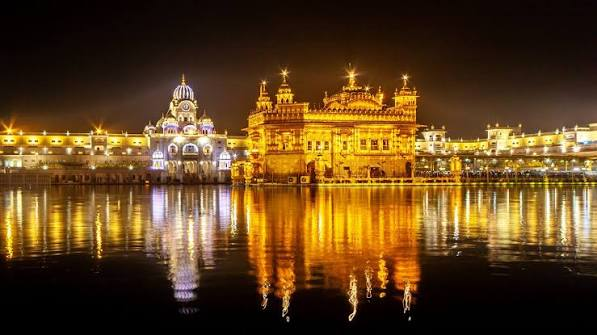
The Golden Temple, officially known as Sri Harmandir Sahib, is one of the most famous landmarks associated with Punjab. Located in the heart of Amritsar, it is an important spiritual center for Sikhs and attracts visitors from India and around the world. The shrine stands in the middle of the Amrit Sarovar, creating a beautiful reflection that makes the complex especially impressive during sunrise and evening hours.
The history of the Golden Temple is closely connected with the development of Sikhism. The construction and development of the sacred pool and shrine took place during the period of the Sikh Gurus. Guru Arjan Dev played an important role in completing the central shrine, while the Sikh tradition of openness and service became an important part of its identity.
Among the Historical Places in Punjab, the Golden Temple stands out because it combines religious importance with architectural beauty. Visitors can observe the golden exterior, marble work, decorative designs, sacred pool, and surrounding buildings. The complex also provides langar, or community kitchen service, where people from different backgrounds can sit together and share a meal.
The Golden Temple is more than a tourist destination. It represents humility, equality, service, devotion, and community. Visitors should spend enough time exploring the complex respectfully rather than treating it only as a photography location.
For anyone creating a list of Historical Places in Punjab, Amritsar is a natural starting point because several major heritage attractions can be explored within the same city.
2. Jallianwala Bagh, Amritsar
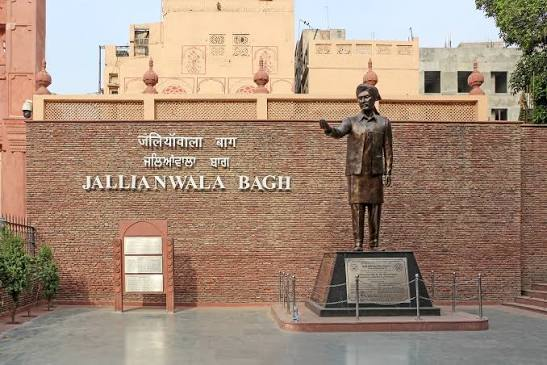
Located close to the Golden Temple, Jallianwala Bagh is one of the most significant memorial sites connected with India’s freedom struggle. The site commemorates the tragic events of April 13, 1919, when British troops opened fire on a gathering of Indians. The incident became one of the most remembered and painful chapters of India’s colonial history.
The narrow entrance, preserved walls, Martyrs’ Well, memorial structures, and museum exhibits help visitors understand the atmosphere and significance of the event. Historical information displayed at the site explains the circumstances surrounding the gathering and its consequences.
Among the Historical Places in Punjab, Jallianwala Bagh has a particularly strong connection with India’s independence movement. It reminds visitors that historical monuments are not always grand palaces or beautifully decorated buildings. Some places are important because they preserve memories of difficult events.
A visit here can be educational for students and younger travelers because it provides an opportunity to connect textbook history with a real location. The site also encourages visitors to think about civil liberties, sacrifice, colonial rule, and the long journey toward independence.
When exploring Historical Places in Punjab, travelers interested in India’s freedom movement should consider combining Jallianwala Bagh with the Partition Museum and other heritage attractions in Amritsar.
3. Gobindgarh Fort, Amritsar
Gobindgarh Fort is another major attraction in Amritsar and is one of the state’s most recognizable fortifications. The fort covers approximately 43 acres and has a history spanning more than 300 years. Its story is associated with the Bhangi Misl, Maharaja Ranjit Singh, the East India Company, and later the Indian Army.
The fort contains several structures associated with different periods, including the Toshakhana, Khas Mahal, bastions, moat, wells, and other historic buildings. According to official tourism information, the fort also has an association with the Kohinoor diamond, which was once housed within its treasury.
Among the Historical Places in Punjab, Gobindgarh Fort is especially interesting because visitors can see how the site evolved through different political periods. Its architecture and museums provide a glimpse into military history, royal administration, weaponry, and the changing control of Punjab.
The fort is also useful for travelers who want a more interactive heritage experience. Exhibitions and cultural presentations can make the history easier to understand, especially for families and students.
If your 2026 travel plan includes Historical Places in Punjab, Gobindgarh Fort can be included in a one-day Amritsar heritage itinerary along with the Golden Temple, Jallianwala Bagh, Partition Museum, and Ram Bagh.
4. Qila Mubarak, Patiala
Patiala is well known for its royal heritage, and Qila Mubarak is one of the most important landmarks in the city. The fort is closely connected with the history of the Patiala state and the Phulkian dynasty. Maharaja Ala Singh laid the foundation of the Patiala Fort in 1763, and the city subsequently developed around it.
The complex showcases a mixture of architectural influences and reflects the changing tastes and political circumstances of different periods. Its courtyards, gateways, palace structures, and decorative details provide an impression of the royal lifestyle associated with Patiala.
For travelers interested in Historical Places in Punjab, Qila Mubarak provides an opportunity to explore the state’s princely heritage. The site is particularly useful for understanding the development of Patiala as a significant political and cultural center.
The fort can be combined with other Patiala attractions, including Sheesh Mahal, Moti Bagh Palace, Baradari Gardens, and historic religious sites. A heritage walk through Patiala can therefore provide a broader understanding of the city’s royal traditions.
Among the Historical Places in Punjab, Qila Mubarak is an important destination for anyone interested in forts, royal architecture, Sikh-era political history, and the cultural development of southeastern Punjab.
5. Sheesh Mahal, Patiala
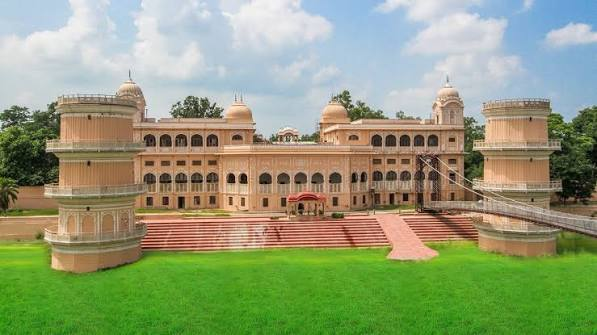
Sheesh Mahal is another remarkable heritage attraction in Patiala. It was constructed behind the main Moti Bagh Palace and served as a royal pleasure complex. The building is particularly known for its mirror work and artistic decoration.
The palace contains paintings associated with Kangra and Rajasthani artistic traditions. According to the Patiala district administration, Sheesh Mahal now houses a museum, art gallery, medal gallery, and the North Zone Cultural Centre.
For visitors exploring Historical Places in Punjab, Sheesh Mahal offers a different experience from a traditional fort. Instead of focusing primarily on military architecture, it provides a glimpse into royal art, decoration, culture, and lifestyle.
The intricate mirror work can be especially attractive to photography enthusiasts, although visitors should follow local photography rules and conservation guidelines. The museum collections can also help travelers understand the cultural history of Patiala.
Sheesh Mahal demonstrates why Historical Places in Punjab are not limited to ancient structures. Many royal buildings from relatively later periods also contribute significantly to the heritage of the state.
A visit to Sheesh Mahal can easily be included in a Patiala heritage tour alongside Qila Mubarak and other historic attractions.
6. Qila Mubarak, Bathinda
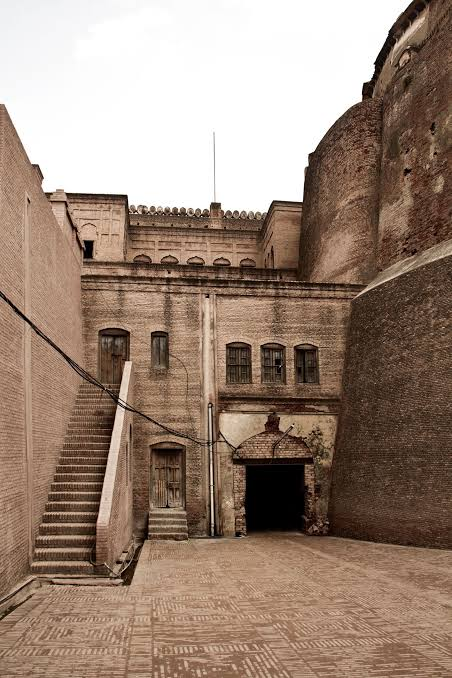
Bathinda is home to another important Qila Mubarak, making it important to distinguish the Bathinda fort from the famous Patiala complex. The Bathinda fort is an imposing historic structure located in the heart of Bathinda city. The district administration describes it as a major fort with a fascinating history and notes its association with Guru Gobind Singh.
The fort’s massive walls and imposing structure provide a strong impression of its defensive purpose. Its long history connects Bathinda with different rulers, military movements, and political developments in northern India.
Among the Historical Places in Punjab, Bathinda’s Qila Mubarak is particularly appealing to travelers who enjoy ancient forts and military architecture. The site can also be used as a starting point for exploring Bathinda’s broader cultural heritage.
Unlike modern attractions that are designed primarily for entertainment, historic forts encourage visitors to imagine how people lived, governed, defended cities, and traveled centuries ago.
If you are preparing a list of Historical Places in Punjab for a road trip, Bathinda can be an interesting stop because it offers a different historical atmosphere from Amritsar and Patiala.
7. Phillaur Fort
Phillaur Fort is another important fortification in Punjab. Located near the Sutlej region, the fort has connections with the military history of Punjab and the period of Maharaja Ranjit Singh.
The fort is included among Punjab’s recognized heritage attractions, and government tourism resources list Phillaur Fort among the state’s heritage sites.
For travelers researching Historical Places in Punjab, Phillaur Fort is worth considering because it represents the military and strategic importance of the region. Its location also makes it relevant to understanding how historic routes and river crossings influenced the development of settlements.
Fort architecture often reveals information about defense strategies, political authority, and regional geography. Phillaur Fort provides an opportunity to explore these themes while traveling through central Punjab.
Visitors interested in photography should look for architectural details such as walls, gates, courtyards, and structural elements while remembering that heritage buildings require careful preservation.
Adding Phillaur Fort to a list of Historical Places in Punjab can make a Punjab heritage road trip more diverse by including lesser-discussed historic destinations alongside famous landmarks.
8. Anandpur Sahib and Virasat-e-Khalsa
Anandpur Sahib holds enormous importance in Sikh history and culture. The city is associated with several major events in Sikh history and is also famous for the annual Hola Mohalla celebrations.
Virasat-e-Khalsa is one of the major attractions in Anandpur Sahib. The museum presents Sikh history and culture through exhibitions, multimedia displays, architecture, and storytelling. Incredible India describes it as a destination focused on the history and culture of the Sikh community.
For people exploring Historical Places in Punjab, Anandpur Sahib offers a combination of religious heritage, cultural history, architecture, and educational experiences.
The city is surrounded by hills and has a distinctive atmosphere that differs from urban heritage destinations such as Amritsar and Patiala. Travelers can explore important gurdwaras and learn about the development of Sikh traditions in the region.
Virasat-e-Khalsa can be particularly useful for students and families because museums can provide historical context before visiting other important sites.
When creating an itinerary covering Historical Places in Punjab, Anandpur Sahib deserves attention because it provides an opportunity to explore both the historical and cultural dimensions of Punjab.
9. Fatehgarh Sahib
Fatehgarh Sahib is one of the most significant religious and historical destinations in Punjab. The area is associated with important events in Sikh history, particularly the sacrifices of the younger Sahibzade of Guru Gobind Singh.
The district contains several important religious and heritage sites, including Gurdwara Fatehgarh Sahib and other monuments associated with Sikh history. Government tourism resources also list sites such as Aam Khaas Bagh, Haveli Diwan Todar Mal, and Gurdwara Fatehgarh Sahib among Punjab attractions.
Among the Historical Places in Punjab, Fatehgarh Sahib represents a deeply meaningful part of Sikh heritage. Visitors often come here not simply for sightseeing but for reflection, remembrance, and spiritual connection.
The area can be included in a wider heritage tour through central Punjab. Travelers should allow sufficient time to understand the historical context rather than rushing between attractions.
The story of Fatehgarh Sahib demonstrates how Punjab’s history is closely connected with faith, sacrifice, courage, and community memory. For this reason, it remains an important destination when exploring Historical Places in Punjab.
10. Khatkar Kalan
Khatkar Kalan, located in Punjab, is strongly associated with Shaheed Bhagat Singh, one of the most remembered figures of India’s freedom movement. The village and its memorial sites attract visitors interested in India’s struggle against British rule.
A visit to Khatkar Kalan provides an opportunity to learn about Bhagat Singh’s life, ideas, family background, and role in the independence movement. Museums and memorial displays can help visitors understand the political environment in which revolutionary activities developed.
For students studying India’s freedom struggle, Historical Places in Punjab such as Khatkar Kalan can make history more tangible. Reading about a historical personality in a textbook is different from visiting a place connected with that person’s life.
The destination is also relevant to travelers who want to explore Punjab beyond its better-known religious attractions. It adds an important freedom-history component to a Punjab travel itinerary.
When planning Historical Places in Punjab for 2026, travelers interested in India’s independence movement can include Khatkar Kalan along with Jallianwala Bagh, Hussainiwala, and other freedom-related sites.
11. Sanghol Archaeological Site
Sanghol is an important archaeological destination in Punjab and provides a window into the state’s ancient past. The archaeological site is located in the Fatehgarh Sahib region and has produced evidence that contributes to the understanding of ancient settlements and cultural developments.
Unlike grand forts and palaces, archaeological sites require visitors to imagine the civilizations that existed before many modern cities and political structures were established. Excavated objects and museum collections can help explain how people lived, traded, created art, and interacted with neighboring regions.
Sanghol makes the list of Historical Places in Punjab particularly interesting because it takes visitors further back in time than many famous Sikh-era and colonial-era attractions.
For history students, researchers, and travelers interested in archaeology, the site offers an opportunity to understand Punjab’s connection with ancient North Indian civilizations.
The archaeological importance of Sanghol also reminds us that the history of Punjab did not begin with medieval kingdoms or the Sikh Empire. The region has witnessed human settlement and cultural development over a much longer period.
Therefore, including Sanghol among Historical Places in Punjab creates a more complete picture of the state’s heritage.
12. Jagatjit Palace, Kapurthala
Kapurthala is often associated with elegant architecture and royal heritage, and Jagatjit Palace is one of the city’s notable landmarks. The palace reflects the cosmopolitan architectural preferences of the former Kapurthala royal family.
The city itself is known for a number of heritage structures, making it an attractive destination for travelers interested in architecture. The combination of European-inspired design and Indian royal traditions gives Kapurthala a distinctive visual identity.
Among the Historical Places in Punjab, Jagatjit Palace is especially interesting for travelers who enjoy palace architecture and the history of princely states.
Exploring Kapurthala can be a slower experience compared with the busy tourist atmosphere of Amritsar. Visitors can take time to observe buildings, streets, gardens, and architectural details while learning about the city’s royal past.
For photography lovers, the palace and surrounding heritage architecture can provide interesting subjects. Travelers should always check current access rules because some historic buildings may have restricted areas.
Including Jagatjit Palace in a list of Historical Places in Punjab helps highlight the state’s diverse architectural heritage.
13. Pul Kanjari
Pul Kanjari, also known as Pul Moran, is a historic site associated with Maharaja Ranjit Singh. Located near the Amritsar region, the site has connections with stories and legends from the Maharaja’s period.
According to the Amritsar district administration, Pul Kanjari is a heritage sight built by Maharaja Ranjit Singh and is surrounded by historical tales and legends.
The destination is particularly interesting because it combines architecture, local folklore, and the history of the Sikh Empire. Travelers who enjoy destinations away from crowded city centers may find the location appealing.
For people researching Historical Places in Punjab, Pul Kanjari provides an opportunity to explore a lesser-known part of the region’s royal and military history.
A visit here can be combined with other heritage locations around Amritsar, depending on travel conditions and current access arrangements.
The site also demonstrates that Punjab’s historical heritage extends beyond major cities and famous monuments. Villages, old routes, water structures, forts, and small settlements can also preserve important stories.
Therefore, Pul Kanjari deserves consideration when planning Historical Places in Punjab for a heritage-focused journey.
14. Ram Bagh and Maharaja Ranjit Singh Museum
Ram Bagh in Amritsar is associated with Maharaja Ranjit Singh and his era. The historic garden and surrounding heritage attractions provide another way to understand the cultural and royal history of the Sikh Empire.
The Maharaja Ranjit Singh Museum is also an important destination for visitors interested in the Maharaja’s life and the history of his reign. The Amritsar district tourism page lists the museum among the city’s tourist attractions.
For anyone exploring Historical Places in Punjab, Ram Bagh provides an opportunity to move beyond religious monuments and examine royal history, gardens, art, and museum collections.
The site can be combined with other Amritsar attractions to create a full-day heritage itinerary. Travelers can begin with the Golden Temple, visit Jallianwala Bagh, explore the Partition Museum, and then include Gobindgarh Fort or Ram Bagh depending on their interests.
Maharaja Ranjit Singh’s period is an important part of Punjab’s history, and museums can help visitors understand the political, military, artistic, and cultural developments of that era.
For this reason, Ram Bagh and the Maharaja Ranjit Singh Museum are valuable additions to a list of Historical Places in Punjab.
Why Visit Historical Places in Punjab in 2026?
Traveling through Punjab in 2026 is not only about visiting popular tourist destinations. It can also be an educational journey through centuries of history. The state’s heritage includes religious landmarks, forts, palaces, archaeological sites, museums, memorials, and places associated with important historical personalities.
One of the biggest advantages of exploring Historical Places in Punjab is the variety of experiences available within a relatively manageable geographic area. A traveler can experience spiritual heritage in Amritsar, royal architecture in Patiala, military history in Bathinda and Phillaur, Sikh history in Anandpur Sahib and Fatehgarh Sahib, and freedom history at Jallianwala Bagh and Khatkar Kalan.
Another reason to explore these destinations is architecture. Punjab’s historic buildings display a mixture of Sikh, Mughal, Rajput, colonial, European, and regional influences. Each building can reveal something about the period in which it was constructed.
Historical Places in Punjab can also be excellent educational destinations for children and students. Instead of learning only through textbooks, students can see museums, memorials, forts, paintings, inscriptions, and architectural structures in person.
Best Time to Explore Punjab’s Heritage
Punjab experiences different weather conditions throughout the year, so travelers should consider the season while planning a heritage tour. The cooler months are generally more comfortable for sightseeing, walking through forts, exploring outdoor memorials, and visiting historic cities.
Winter can be especially suitable for travelers who want to combine several destinations in one trip. Spring can also be pleasant, while summer can be quite hot during the afternoon. During warmer months, visitors should plan outdoor sightseeing during the morning or evening and stay hydrated.
Before visiting Historical Places in Punjab, travelers should check current opening hours, entry requirements, photography rules, and local travel conditions. Heritage sites may occasionally have maintenance work, special events, or restricted areas.
Tips for Visiting Historical Sites
A heritage trip becomes more enjoyable when visitors plan carefully. Start by choosing the cities you want to explore and group nearby attractions together. Amritsar, Patiala, Bathinda, Anandpur Sahib, and Fatehgarh Sahib can each form the center of separate travel plans.
Wear comfortable footwear because several historic attractions involve walking. Carry water, especially during warmer months. When visiting religious sites, dress respectfully and follow the rules regarding footwear, photography, head coverings, and behavior.
Visitors to Historical Places in Punjab should also avoid touching old walls, paintings, sculptures, or other protected objects. Responsible tourism helps ensure that future generations can experience the same heritage.
Photography can be a wonderful way to remember a trip, but travelers should always follow the photography policies of each attraction. Museums and religious complexes may have specific restrictions.
How to Plan a Punjab Heritage Tour
A well-planned heritage trip can cover several destinations without becoming stressful. A three-day Amritsar itinerary could include the Golden Temple, Jallianwala Bagh, Gobindgarh Fort, Partition Museum, Ram Bagh, and nearby attractions.
A Patiala-focused trip could include Qila Mubarak, Sheesh Mahal, Moti Bagh Palace, and other royal landmarks. Bathinda can be explored separately, particularly by travelers interested in fort architecture.
For those interested in Sikh history, Anandpur Sahib and Fatehgarh Sahib can form an important part of the itinerary. Travelers interested in India’s independence movement can add Khatkar Kalan and other freedom-related memorials.
Planning routes between Historical Places in Punjab can save time and make the journey more comfortable. It is also useful to keep some flexibility in the itinerary because travel times, weather, and local conditions can change.
Importance of Preserving Punjab’s Heritage
Historic buildings and memorials are valuable because they connect present generations with the past. Once an old structure is lost, its original architectural details and historical atmosphere can be extremely difficult to recreate.
Punjab has government-protected monuments and heritage structures, and official planning documents identify multiple heritage sites across the state, including Sanghol, Phillaur Fort, Gobindgarh Fort, Qila Mubarak, Sheesh Mahal, and other attractions.
Responsible tourism can support preservation. Visitors can contribute simply by respecting site rules, avoiding littering, not damaging structures, and supporting legitimate local tourism services.
Schools and educational institutions can also play an important role by encouraging students to visit museums and heritage destinations.
The continued preservation of Historical Places in Punjab ensures that stories about architecture, faith, freedom, kings, communities, and cultural traditions remain accessible to future generations.
Final Thoughts
Punjab’s history is broad, complex, and deeply connected with the cultural development of northern India. Its heritage cannot be represented by one monument or one city. From the spiritual beauty of the Golden Temple to the painful memories preserved at Jallianwala Bagh, from the military history of Gobindgarh Fort to the royal architecture of Patiala, every destination tells a different story.
The Historical Places in Punjab mentioned in this guide provide travelers with many opportunities to discover the state’s past in 2026. Some destinations focus on religion, some on architecture, some on royal history, while others preserve memories of India’s freedom movement.
A journey through Historical Places in Punjab can therefore be much more than an ordinary vacation. It can become an educational and cultural experience that helps visitors understand the people, traditions, struggles, achievements, and historical events that shaped the region.
If you are planning a Punjab trip in 2026, consider creating an itinerary based on your interests. History lovers can focus on forts and museums, spiritual travelers can explore major gurdwaras, architecture enthusiasts can visit palaces, and students can explore museums and freedom memorials.
Punjab’s heritage continues to attract visitors because its historical stories remain relevant even in the modern world. By exploring these destinations respectfully and responsibly, travelers can enjoy unforgettable experiences while helping preserve the state’s cultural legacy for years to come.