
Trusted Hygiene and Protection: A Complete Guide to Everyday Cleanliness
Introduction
Maintaining cleanliness and personal hygiene is an important part of everyday life. From washing hands to keeping household surfaces clean, simple hygiene practices can support a fresh, comfortable, and well-maintained environment. Trusted Hygiene and Protection represents the importance of choosing reliable hygiene solutions and following good cleanliness habits every day.
A clean home, clean hands, and proper personal-care routines can make daily activities more comfortable. Families often look for products and habits that fit naturally into their routines without making hygiene complicated. Trusted Hygiene and Protection is therefore an important concept for people who want to make cleanliness a regular part of their lifestyle.
Goodhygiene begins with small actions. Washing hands properly, maintaining clean surroundings, bathing regularly, and keeping frequently touched surfaces clean are simple steps that can contribute to everyday cleanliness. Trusted Hygiene and Protection encourages people to pay attention to these basic habits and make them consistent.
What Does Trusted Hygiene and Protection Mean?
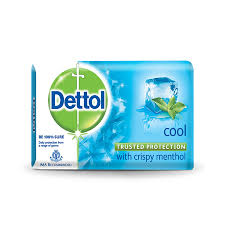
The idea of Trusted Hygiene and Protection combines two important elements: hygiene and protection. Hygiene refers to practices that help keep the body and surroundings clean, while protection relates to responsible habits and suitable hygiene products that support everyday cleanliness.
People interact with many surfaces throughout the day. Door handles, phones, keyboards, tables, taps, and other frequently touched objects can become part of normal daily routines. Regular cleaning can help maintain a cleaner environment. Trusted Hygiene and Protection highlights the value of being consistent rather than relying only on occasional cleaning.
Personal hygiene is equally important. Washing hands before meals, after using the restroom, after returning home, and whenever hands are visibly dirty are useful everyday habits. Trusted Hygiene and Protection begins with understanding when and how to practice these routines effectively.
Importance of Hand Hygiene
Hand hygiene is one of the simplest and most important cleanliness practices. Hands come into contact with numerous objects and surfaces every day. Proper handwashing can remove dirt and many unwanted substances from the skin.
Using soap and clean running water and washing all areas of the hands can create a better hygiene routine. People should pay attention to the palms, backs of the hands, fingers, thumbs, and areas around the nails. Trusted Hygiene and Protection includes making proper handwashing a regular habit.
Hand hygiene becomes particularly important before preparing or eating food. It is also useful after coughing, sneezing, using the toilet, handling waste, or coming home from public places. Trusted Hygiene and Protection encourages people to consider handwashing an everyday responsibility rather than an occasional activity.
Choosing Suitable Hygiene Products
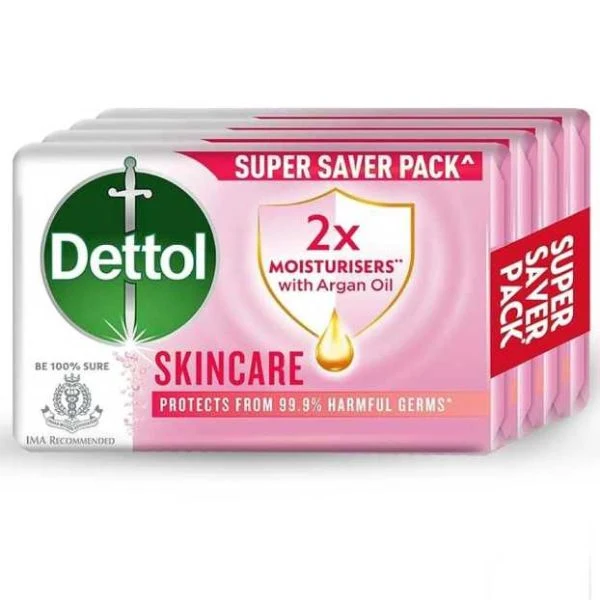
Different hygiene products serve different purposes. Hand washes, soaps, surface cleaners, sanitizing products, and personal-care products may all have different uses. Selecting a product according to its intended purpose is an important part of responsible hygiene.
Consumers should read product labels and follow the manufacturer’s instructions. Using products correctly is more important than simply using larger quantities. Trusted Hygiene and Protection means understanding the purpose of hygiene products and using them responsibly.
Families may also have different hygiene needs. A busy household may require convenient handwashing options, while workplaces may benefit from accessible hygiene facilities. Trusted Hygiene and Protection can be incorporated into different environments according to individual requirements.
Hygiene at Home
The home is one of the most important places for maintaining regular cleanliness. Bedrooms, kitchens, bathrooms, living areas, and frequently touched surfaces can all benefit from appropriate cleaning routines.
Kitchen surfaces should be kept clean, especially before and after food preparation. Bathrooms should also be cleaned regularly because they are frequently exposed to moisture and daily use. Trusted Hygiene and Protection can become part of a household cleaning schedule.
Regularly cleaning frequently touched areas can also help maintain a pleasant environment. Handles, switches, remote controls, countertops, and other commonly used objects should receive appropriate attention. Trusted Hygiene and Protection encourages families to create practical routines that are easy to maintain.
Personal Hygiene and Daily Care
Personal hygiene includes more than handwashing. Regular bathing, oral care, clean clothing, hair care, and appropriate nail care can all contribute to personal cleanliness.
Daily routines are easier to maintain when they are simple and consistent. People can establish morning and evening hygiene routines that fit their schedules. Trusted Hygiene and Protection is closely connected with developing habits that support cleanliness throughout the day.
Personal hygiene can also contribute to confidence. Feeling fresh and clean can make people more comfortable during work, school, travel, and social activities. Trusted Hygiene and Protection is therefore not only about cleanliness but also about creating positive everyday routines.
Hygiene in the Workplace
Workplaces can include offices, shops, factories, schools, restaurants, healthcare facilities, and many other environments. Because multiple people may share these spaces, maintaining cleanliness is an important responsibility.
Providing suitable handwashing facilities and keeping shared areas clean can support a better workplace environment. Employees can also contribute by practicing responsible personal hygiene. Trusted Hygiene and Protection can become part of a workplace culture when cleanliness is treated as a shared responsibility.
Frequently touched equipment and shared facilities may require appropriate cleaning according to workplace requirements. Clear hygiene procedures can make responsibilities easier to understand. Trusted Hygiene and Protection encourages organizations to make hygiene practices practical and accessible.
Hygiene in Public Places
People spend time in public transportation, shopping centers, restaurants, schools, offices, parks, and other shared environments. Maintaining personal hygiene while using public spaces is a useful everyday habit.
Carrying appropriate hygiene supplies can be convenient when soap and water are not immediately available. However, when hands are visibly dirty, washing with soap and water is generally preferable when available. Trusted Hygiene and Protection emphasizes choosing hygiene practices according to the situation.
People can also contribute to public cleanliness by disposing of tissues and waste properly. Covering coughs and sneezes and avoiding unnecessary contact with one’s face are additional responsible habits. Trusted Hygiene and Protection is built around awareness, responsibility, and consistency.
Family Hygiene Habits
Families can encourage healthy hygiene habits by making cleanliness part of everyday life. Parents and caregivers can teach children how to wash their hands, brush their teeth, bathe regularly, and keep their belongings clean.
Children often learn through observation. When adults consistently follow good hygiene practices, children may be more likely to understand their importance. Trusted Hygiene and Protection can become a family value through simple daily examples.
Age-appropriate explanations can also make hygiene easier for children to understand. Instead of making hygiene seem like a difficult task, families can turn basic routines into normal parts of the day. Trusted Hygiene and Protection works best when it becomes a natural habit.
Cleaning Frequently Touched Surfaces
Frequently touched surfaces can include door handles, light switches, phones, computer keyboards, tables, faucets, and remote controls. Regular cleaning can help keep these areas fresh and well maintained.
The appropriate cleaning method depends on the material and product being used. Always follow the instructions on cleaning-product labels and avoid mixing chemicals unless the manufacturer specifically states that it is safe. Trusted Hygiene and Protection includes using cleaning products carefully and correctly.
A simple household cleaning schedule can prevent important areas from being overlooked. Instead of trying to clean everything at once, households can divide cleaning tasks throughout the week. Trusted Hygiene and Protection becomes easier to maintain when routines are realistic.
Food Hygiene
Food hygiene is another important part of everyday cleanliness. Hands, utensils, preparation surfaces, and food-storage areas should be handled appropriately.
Washing hands before preparing food is an important basic practice. Raw foods should also be handled carefully, and surfaces and utensils should be cleaned appropriately after preparation. Trusted Hygiene and Protection extends beyond personal care into responsible food preparation.
Proper food storage is equally important. Foods should be stored according to their requirements, and consumers should pay attention to expiration and storage instructions. Trusted Hygiene and Protection encourages awareness at every stage of food handling.
Bathroom Hygiene
Bathrooms require regular cleaning because they are used frequently and can remain damp. Toilets, sinks, taps, floors, mirrors, and other surfaces can benefit from appropriate cleaning routines.
Ventilation can also help maintain a comfortable bathroom environment. Towels should be allowed to dry properly, and personal items should be kept clean. Trusted Hygiene and Protection supports regular bathroom maintenance as part of household cleanliness.
Cleaning products should always be used according to their labels. Some products may require ventilation or other precautions. Trusted Hygiene and Protection means combining effective cleaning with responsible product use.
Hygiene While Traveling
Travel can change normal routines. People may spend long periods in cars, trains, airplanes, hotels, restaurants, and public spaces.
Keeping basic hygiene supplies available can make travel more convenient. Handwashing should still be prioritized whenever soap and clean water are available. Trusted Hygiene and Protection can help travelers maintain familiar cleanliness habits even when away from home.
Travelers should also pay attention to local hygiene conditions and follow relevant public-health guidance. Keeping personal items organized and avoiding unnecessary sharing of personal-care products are sensible habits. Trusted Hygiene and Protection can make everyday travel routines more manageable.
Hygiene and Lifestyle
Modern lifestyles can be busy. Work, school, family responsibilities, shopping, travel, and social activities can make it easy to overlook basic hygiene routines.
Creating simple reminders can help. Washing hands at key moments, cleaning commonly used items, and maintaining personal-care routines can become automatic over time. Trusted Hygiene and Protection works best when hygiene becomes a normal part of daily life.
People do not need complicated routines to maintain basic cleanliness. Consistency is often more practical than complexity. Trusted Hygiene and Protection focuses on simple actions that people can realistically repeat every day.
Responsible Use of Cleaning Products
Cleaning and hygiene products should be used responsibly. Consumers should read instructions, follow recommended quantities, and store products safely.
Products should generally be kept away from children and pets when appropriate. Different cleaning products should not be mixed unless their labels clearly indicate compatibility. Trusted Hygiene and Protection includes responsible handling as well as cleanliness.
Using more product does not necessarily mean better cleaning. Following directions can help people use products effectively while reducing unnecessary waste. Trusted Hygiene and Protection encourages informed and careful product use.
Building a Daily Hygiene Routine
A practical daily routine can include several simple steps:
- Wash hands regularly.
- Maintain personal bathing routines.
- Brush teeth and maintain oral care.
- Wear clean clothes.
- Keep frequently used personal items clean.
- Clean important household surfaces regularly.
- Store hygiene products appropriately.
- Follow product instructions.
These habits can be adapted to different lifestyles and household needs. Trusted Hygiene and Protection becomes easier when routines are organized around existing daily activities.
Morning, afternoon, and evening routines can each include small hygiene tasks. The goal is not to create unnecessary complexity but to make cleanliness consistent. Trusted Hygiene and Protection can be achieved through simple habits practiced regularly.
Hygiene Awareness for Children
Teaching children about hygiene early can help them develop responsible habits. Children can learn why washing hands matters, when to wash them, and how to do it properly.
Parents and teachers can use simple explanations and demonstrations. Encouraging children to wash their hands after outdoor activities, before eating, and after using the restroom can reinforce good habits. Trusted Hygiene and Protection can become easier for children to understand when it is taught through everyday examples.
Children can also learn to keep school bags, lunch boxes, water bottles, and personal belongings clean. Trusted Hygiene and Protection encourages children to take age-appropriate responsibility for their own cleanliness.
Hygiene and Community Responsibility
Cleanliness is not only an individual responsibility. Communities also benefit when people practice good hygiene and dispose of waste properly.
Public facilities require cooperation from everyone who uses them. Keeping shared spaces clean, following posted hygiene instructions, and disposing of waste correctly are simple contributions. Trusted Hygiene and Protection reflects this broader sense of responsibility.
Businesses, schools, families, and public organizations can all encourage better hygiene awareness. Providing suitable facilities and clear information can make good hygiene easier for everyone. Trusted Hygiene and Protection becomes stronger when individuals and communities work together.
Seasonal Hygiene Practices
Different seasons can create different cleanliness challenges. Hot weather may increase sweating and the need for regular bathing and clothing changes. Cold weather can sometimes make people spend more time indoors.
Regardless of the season, basic hygiene routines should remain consistent. Handwashing, personal cleanliness, household cleaning, and appropriate ventilation remain useful throughout the year. Trusted Hygiene and Protection should be a year-round commitment.
Seasonal changes can also be a good reminder to review household cleaning routines. Items that are used more frequently during particular seasons can receive additional attention. Trusted Hygiene and Protection can adapt naturally to changing routines.
Creating a Cleaner Home Environment
A clean home can feel more comfortable and organized. Regular cleaning does not necessarily require spending hours every day. Small tasks performed consistently can make household maintenance easier.
Creating a weekly cleaning plan can help divide responsibilities among family members. High-use areas can receive more frequent attention, while less-used areas can be cleaned according to need. Trusted Hygiene and Protection can be integrated into a practical household schedule.
Organization can also support cleanliness. Keeping cleaning products and personal-care products in appropriate locations can make them easier to use when needed. Trusted Hygiene and Protection becomes more achievable when the right habits and systems work together.
Why Consistency Matters
One of the most important aspects of hygiene is consistency. Cleaning something once does not replace regular maintenance. Likewise, occasional handwashing cannot replace proper hand hygiene throughout the day.
Consistent routines are easier to maintain when they are simple. People are more likely to continue habits that fit naturally into their daily lives. Trusted Hygiene and Protection is ultimately about making responsible hygiene practices part of everyday behavior.
A consistent approach can also help families understand which tasks need to happen daily, weekly, or as needed. Trusted Hygiene and Protection provides a useful framework for thinking about hygiene as an ongoing routine.
Making Hygiene Simple and Practical
Hygiene should not feel unnecessarily complicated. A practical approach focuses on the most important habits and adapts them to individual circumstances.
Keeping soap available, maintaining clean surroundings, following product instructions, and practicing regular personal care are straightforward steps. Trusted Hygiene and Protection can be achieved without creating an overwhelming routine.
The best hygiene routine is one that people can follow consistently. Small actions repeated every day can become powerful habits. Trusted Hygiene and Protection encourages this simple and practical approach.
Conclusion
Cleanliness and personal hygiene are essential parts of everyday life. From proper handwashing and personal care to household cleaning and responsible product use, many simple actions can contribute to a cleaner environment.
The concept of Trusted Hygiene and Protection reminds us that good hygiene is built through awareness, consistency, responsible choices, and everyday habits. Whether at home, at work, while traveling, or in public spaces, people can take practical steps to maintain cleanliness.
A strong hygiene routine does not need to be complicated. Regular handwashing, appropriate cleaning, personal care, safe product handling, and community responsibility can all become natural parts of daily life. Trusted Hygiene and Protection provides a simple way to think about these habits and their role in modern living.
Ultimately, Trusted Hygiene and Protection is about making cleanliness a consistent priority. By choosing suitable hygiene practices, following product instructions, maintaining clean surroundings, and encouraging good habits among family members, individuals can create a more comfortable and well-maintained everyday environment.
When hygiene becomes a regular part of daily routines, it is easier to maintain over the long term. Trusted Hygiene and Protection therefore represents a commitment to cleanliness, awareness, and responsible everyday care.