
Best Benefits of Regular Exercise In 2026, maintaining a healthy lifestyle has become more important than ever. Busy schedules, long working hours, increased screen time, and less physical movement can affect both physical and mental well-being. One of the simplest ways to support a healthier lifestyle is to include regular physical activity in your daily routine. You do not always need an expensive gym membership or complicated workout plan. Walking, cycling, jogging, stretching, swimming, dancing, and home workouts can all contribute to a more active lifestyle.
The Benefits of Regular Exercise go far beyond improving physical appearance. Consistent physical activity can support heart health, strengthen muscles and bones, improve mood, increase energy, support better sleep, and help people maintain a healthy weight. Exercise can also encourage better lifestyle habits and improve overall quality of life.
As people become increasingly dependent on technology for work, education, entertainment, and communication, daily movement can easily decrease. This makes exercise an important part of a balanced routine. Whether you are a student, working professional, parent, senior, or someone who spends most of the day at home, finding time for physical activity can make a meaningful difference.
This article explores the major Benefits of Regular Exercise and explains why staying physically active should remain an important goal in 2026.
1. Supports Better Heart Health
The heart is one of the most important organs in the human body, and regular physical activity can help keep it working efficiently. Activities such as brisk walking, cycling, swimming, jogging, and dancing can increase the heart rate and improve cardiovascular fitness.
One of the major Benefits of Regular Exercise is that it supports cardiovascular health by encouraging the heart and circulatory system to work more efficiently. Regular activity can also help people maintain healthy blood pressure and support healthy circulation.
Exercise does not have to be extremely intense to benefit the heart. A consistent walking routine can be a useful starting point for people who are new to physical activity. Over time, individuals can gradually increase the duration or intensity of their workouts according to their abilities. Benefits of Regular Exercise
In 2026, when many people spend hours sitting at desks or using digital devices, adding movement throughout the day can be particularly valuable. Short walks, standing breaks, and active hobbies can help reduce long periods of inactivity.
2. Helps Maintain a Healthy Weight
Maintaining a healthy body weight is another important reason to stay physically active. Exercise uses energy and can complement healthy eating habits as part of an overall approach to weight management.
The Benefits of Regular Exercise include helping people manage their energy balance and develop an active lifestyle. Physical activity can increase calorie expenditure while also helping individuals build and maintain muscle.
Different forms of exercise can support weight management in different ways. Cardio activities such as walking and jogging can increase energy expenditure, while resistance exercises can help develop muscular strength.
However, exercise should not be viewed only as a method of changing body weight. Health involves many factors, including cardiovascular fitness, strength, mobility, sleep, nutrition, and mental well-being. Focusing on overall health rather than appearance can make physical activity more sustainable.
3. Improves Muscle Strength
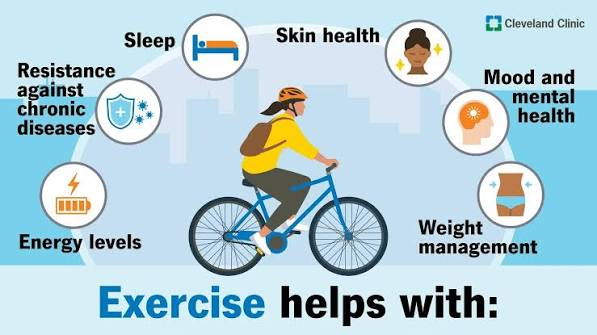
Strong muscles are useful for everyday activities such as climbing stairs, carrying groceries, lifting objects, maintaining posture, and performing household tasks.
One of the important Benefits of Regular Exercise is improved muscular strength and endurance. Strength-focused activities may include bodyweight exercises, resistance bands, weight training, and other forms of resistance exercise.
Beginners can start with simple movements such as squats, wall push-ups, lunges, and modified exercises. As strength improves, workouts can gradually become more challenging.
Strong muscles can also contribute to better physical function as people age. Maintaining strength throughout adulthood may help people remain active and independent in everyday life.
4. Strengthens Bones
Physical activity can also support bone health. Weight-bearing activities place healthy amounts of stress on bones, encouraging the body to maintain bone strength.
The Benefits of Regular Exercise can therefore include supporting stronger bones when appropriate weight-bearing and resistance activities are included in a balanced fitness routine.
Walking, stair climbing, dancing, and resistance exercises are examples of activities that can contribute to an active lifestyle. People with existing bone conditions or other health concerns should choose activities appropriate for their individual circumstances.
Building healthy movement habits earlier in life can also encourage people to remain active as they get older. Exercise should be viewed as a long-term lifestyle habit rather than a short-term challenge.
5. Boosts Daily Energy
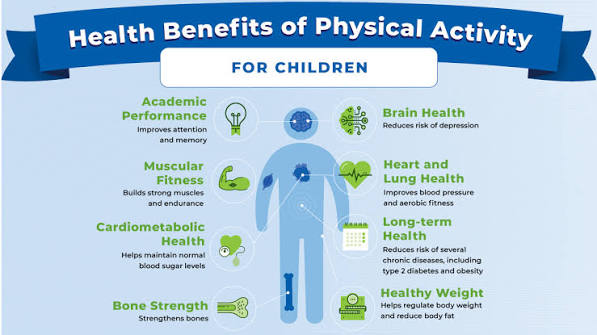
It may seem surprising that using energy through exercise can actually make people feel more energetic. However, regular movement can help improve physical fitness and make everyday activities feel easier.
One of the noticeable Benefits of Regular Exercise is improved energy and physical stamina. People who exercise consistently may find that activities such as walking, climbing stairs, or completing household tasks become less tiring.
Sedentary lifestyles can sometimes create a cycle in which people move less because they feel tired, and then feel less energetic because they remain inactive. Introducing manageable amounts of activity can help break that pattern.
Even a short walk during a work break can provide an opportunity to move, stretch, and step away from prolonged sitting.
6. Supports Mental Well-Being
Exercise is not only beneficial for the body. Physical activity can also support emotional and mental well-being.
The Benefits of Regular Exercise include opportunities to reduce everyday tension, improve mood, and create a healthy break from work or study. Physical activity can stimulate changes in the body and brain that may contribute to positive feelings.
Walking outdoors, practicing yoga, cycling, swimming, or participating in a favorite sport can provide both movement and enjoyment. Group activities can additionally provide opportunities for social interaction.
Exercise should not replace professional support when someone is experiencing serious or persistent mental health difficulties. However, regular movement can be one useful component of a broader healthy lifestyle.
7. Helps Improve Sleep Quality
Good sleep is essential for physical recovery, concentration, mood, and daily performance. Regular physical activity can support healthy sleep routines for many people.
Among the Benefits of Regular Exercise is its potential contribution to better sleep quality and a more consistent sleep schedule. Being physically active during the day can help the body feel ready for rest at night.
The timing and intensity of exercise can affect individuals differently. Some people enjoy exercising in the morning, while others prefer afternoon or early evening workouts.
Along with exercise, healthy sleep habits include maintaining a consistent bedtime, limiting excessive screen use before sleeping, and creating a comfortable sleeping environment.
8. Improves Flexibility and Mobility
Flexibility and mobility are important for moving comfortably and performing everyday activities. Stretching, yoga, mobility exercises, and controlled movements can help people maintain a healthy range of motion.
The Benefits of Regular Exercise also include supporting flexibility and movement when routines contain appropriate stretching and mobility work.
Improved mobility can make activities such as bending, reaching, walking, and climbing stairs more comfortable. Flexibility exercises should generally be performed gradually rather than forcing the body into uncomfortable positions.
Combining cardiovascular activity, strength training, and mobility exercises can create a more balanced fitness routine.
9. Supports Better Posture
Modern lifestyles often involve sitting for long periods while using computers, smartphones, and other devices. Poor sitting habits and limited movement may contribute to discomfort and poor posture.
Another of the Benefits of Regular Exercise is that strengthening the muscles involved in maintaining posture can support better body alignment.
Exercises that strengthen the core, back, shoulders, and legs may contribute to better physical stability. Regular movement breaks are also useful for people who spend much of their working day at a desk.
Instead of remaining seated for several uninterrupted hours, try standing, walking, or stretching periodically. Small changes can make an active workday easier to achieve.
10. Supports Brain Health
Physical activity can also be beneficial for the brain. Exercise increases blood flow throughout the body and can support overall cognitive health.
The Benefits of Regular Exercise may include supporting concentration, memory, and mental alertness. Students and professionals may find that physical activity provides a refreshing break from demanding mental tasks.
A short walk can be particularly useful after spending a long period studying or working. Outdoor movement can also provide a change of environment and reduce the feeling of being mentally stuck.
Maintaining an active lifestyle throughout adulthood can contribute to overall brain and physical health.
11. Builds Healthy Daily Habits
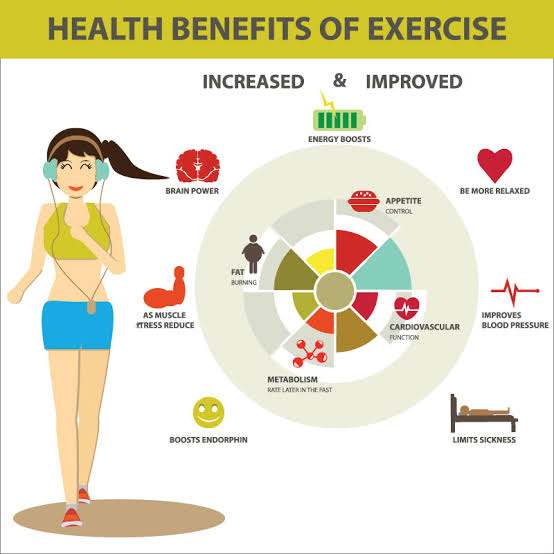
Exercise can encourage people to develop other healthy behaviors. Someone who begins walking regularly may become more interested in nutritious food, hydration, sleep, and stress management.
The Benefits of Regular Exercise therefore extend beyond the workout itself. Physical activity can become an anchor around which other positive lifestyle habits are organized.
For example, someone might begin the morning with a short walk, drink more water during the day, eat a balanced breakfast, and maintain a more consistent sleep schedule.
The goal should not be perfection. Sustainable habits are generally easier to maintain when they are realistic and enjoyable.
12. Supports Healthy Aging
Staying active throughout adulthood can support physical function as people grow older. Strength, balance, mobility, and cardiovascular fitness are all important components of healthy aging.
The Benefits of Regular Exercise can become particularly valuable over time because maintaining physical activity can help people continue participating in everyday activities.
Walking, strength training, balance exercises, swimming, and other suitable activities can be adapted according to age and ability.
Older adults should choose activities appropriate for their health status and may benefit from professional guidance when starting a new exercise routine.
13. Helps Improve Balance and Coordination
Balance and coordination are important for everyday movement. Exercise routines that include controlled movements, balance exercises, and strength work can help people develop better body awareness.
The Benefits of Regular Exercise include supporting physical coordination and stability. Activities such as yoga, dancing, certain sports, and balance exercises can challenge different movement skills.
Good balance is particularly important as people age. Including appropriate balance-focused activities in a fitness routine can help maintain confidence in movement.
Exercise should always be performed with attention to safety, especially when trying unfamiliar movements.
14. Supports Better Physical Stamina
Physical stamina refers to the ability to continue an activity without becoming excessively tired. Cardiovascular activities are particularly useful for developing endurance.
One of the long-term Benefits of Regular Exercise is improved stamina. A person who gradually develops cardiovascular fitness may find it easier to walk longer distances, participate in sports, or complete daily activities.
Stamina develops gradually. Someone who currently walks for ten minutes does not need to immediately attempt an hour-long workout. Increasing activity slowly can make the process more comfortable and sustainable.
Consistency is generally more important than attempting extreme workouts occasionally.
15. Can Support Healthy Blood Sugar Management
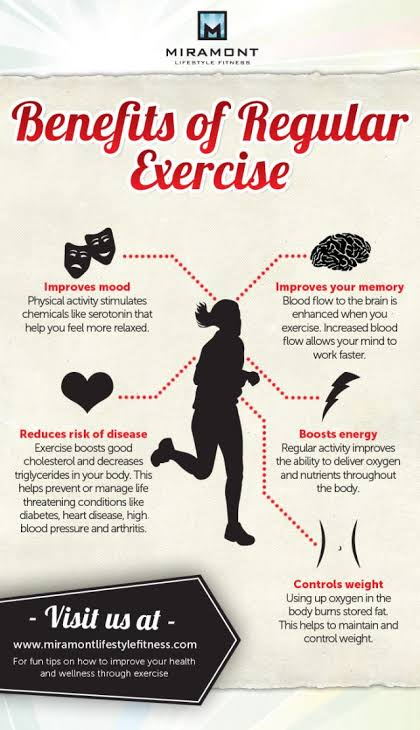
Physical activity uses energy and engages muscles, which can influence how the body handles glucose. Regular movement is commonly included as part of healthy lifestyle approaches to blood sugar management.
The Benefits of Regular Exercise can include supporting metabolic health when exercise is combined with appropriate nutrition and other healthy habits.
People managing diabetes or other medical conditions should follow guidance from their healthcare professionals when planning exercise.
For many healthy adults, simple activities such as walking after meals, cycling, or participating in recreational sports can be practical ways to add more movement to the day.
16. Encourages Social Connection
Exercise does not have to be a solo activity. Sports teams, walking groups, fitness classes, dance sessions, cycling groups, and recreational activities can bring people together.
The Benefits of Regular Exercise can therefore include social interaction and opportunities to build positive connections with others.
Exercising with friends or family can make physical activity more enjoyable and may encourage consistency. Group activities can also provide motivation through shared goals.
For people who prefer exercising alone, listening to music or podcasts while walking can make the experience more enjoyable, provided it is safe for the environment.
17. Improves Productivity
Physical activity can provide a valuable break from long periods of mental work. Moving regularly may help people return to their tasks feeling refreshed.
Among the Benefits of Regular Exercise is the potential to support productivity by improving energy, concentration, and daily routine.
Office workers can incorporate simple movement by walking during breaks, using stairs when practical, standing periodically, or taking short stretching breaks.
Students can also benefit from movement breaks between study sessions. Instead of spending every break on another screen, a short walk can provide physical and mental variety.
18. Supports Confidence
Physical activity can help people feel more capable as they develop new skills and achieve realistic fitness goals.
The Benefits of Regular Exercise can include a greater sense of accomplishment. Completing a workout, increasing walking distance, learning a new sport, or becoming stronger can provide positive reinforcement.
Confidence should come from what the body can do rather than focusing exclusively on appearance. Fitness is personal, and progress can look different for everyone.
Setting small, measurable goals can make improvement easier to recognize.
19. Helps Reduce Sedentary Time
Modern technology has made many tasks easier, but it has also increased the amount of time people spend sitting. Work, entertainment, shopping, education, and communication can often be completed without much physical movement.
The Benefits of Regular Exercise become especially relevant in a sedentary lifestyle because regular activity provides opportunities to move the body.
However, exercise should not be considered a complete substitute for movement throughout the day. A person may exercise for thirty minutes and still spend many hours sitting.
Adding small movement opportunities throughout the day can create a more active lifestyle.
20. Supports Overall Quality of Life
Perhaps the most meaningful reason to exercise is that physical activity can help people participate more comfortably in the activities they enjoy.
The Benefits of Regular Exercise include supporting physical fitness, energy, mobility, mood, sleep, and healthy daily routines. Together, these areas can contribute to a better overall quality of life.
Exercise can make it easier to enjoy hobbies, play with children, travel, participate in sports, spend time outdoors, and complete everyday responsibilities.
The most effective routine is often one that a person can enjoy and continue over time.
21. Exercise Can Be Adapted to Different Lifestyles
A common misconception is that exercise requires a large amount of free time. In reality, physical activity can be divided into smaller sessions throughout the day.
The Benefits of Regular Exercise can be experienced through different types of movement, including walking, household activities, cycling, sports, dancing, stretching, and structured workouts.
A busy professional might take a 20-minute walk before work. A student might exercise after classes. A parent might take a family walk in the evening.
Finding activities that fit naturally into an existing schedule can make exercise easier to maintain.
22. How Much Exercise Should You Do?
The appropriate amount of exercise depends on factors such as age, fitness level, health status, and personal goals. General public-health guidance commonly encourages adults to include regular aerobic activity along with muscle-strengthening activities.
People who are new to exercise should begin gradually. Starting with manageable activities can reduce the chance of doing too much too soon.
The Benefits of Regular Exercise are generally associated with consistency rather than occasional extreme workouts. A moderate routine performed regularly can be more sustainable than an intense routine that quickly becomes difficult to maintain.
Listening to the body and allowing adequate recovery are also important parts of a balanced fitness plan.
23. Simple Exercises for Beginners
People who are starting their fitness journey do not need complicated equipment. Some beginner-friendly activities include:
- Walking
- Light jogging
- Cycling
- Swimming
- Dancing
- Bodyweight squats
- Wall push-ups
- Gentle stretching
- Beginner yoga
- Resistance-band exercises
- Stair climbing
These activities can be adjusted to different fitness levels. The Benefits of Regular Exercise can begin with small, consistent changes rather than dramatic lifestyle transformations.
A beginner should focus on learning proper movement, developing consistency, and gradually increasing activity.
24. Tips for Staying Consistent in 2026
Starting an exercise routine is often easier than maintaining one. Creating a realistic plan can help make physical activity a regular part of life.
The Benefits of Regular Exercise are easier to achieve when exercise becomes a sustainable habit rather than a temporary challenge.
Here are some practical tips:
Set Realistic Goals
Avoid setting goals that are too difficult at the beginning. Start with achievable targets and gradually increase them.
Choose Activities You Enjoy
If you dislike running, you do not have to run. Try walking, dancing, swimming, cycling, sports, or another enjoyable activity.
Create a Schedule
Treat exercise like an important appointment. Choose a regular time that works with your daily responsibilities.
Track Your Progress
Keeping track of workouts, walking distance, duration, or strength improvements can help you recognize progress.
Exercise With Others
Friends, family members, or fitness groups can make physical activity more enjoyable.
Avoid an All-or-Nothing Mindset
Missing one workout does not mean the entire routine has failed. Simply return to your normal schedule when possible.
25. Exercise and a Balanced Lifestyle
Exercise works best as part of a broader healthy lifestyle. Physical activity alone cannot replace nutritious food, adequate sleep, hydration, stress management, and other healthy habits.
The Benefits of Regular Exercise can be maximized when exercise is combined with a balanced lifestyle.
A healthy daily routine may include nutritious meals, adequate water, regular movement, sufficient sleep, time for relaxation, and meaningful social connections.
It is also important to remember that everyone’s body and circumstances are different. Fitness plans should be adjusted according to individual needs and abilities.
26. Safety Tips for Exercise
Safety should always be a priority. Beginners should start gradually rather than immediately attempting intense workouts.
The Benefits of Regular Exercise should be pursued in a way that respects individual fitness levels and physical limitations.
Some useful safety practices include:
- Begin with an appropriate warm-up.
- Use proper exercise technique.
- Increase intensity gradually.
- Stay hydrated.
- Wear suitable footwear and clothing.
- Allow time for recovery.
- Stop if you experience concerning symptoms.
- Choose a safe environment for outdoor activity.
- Seek professional advice when necessary.
People with medical conditions, injuries, or specific health concerns should discuss appropriate exercise options with a qualified healthcare professional.
27. Making Exercise Enjoyable
Exercise becomes much easier to maintain when it feels enjoyable rather than like a punishment. People should explore different activities until they discover what works for them.
The Benefits of Regular Exercise are not limited to formal gym workouts. A weekend hike, family cycling trip, dance session, swimming activity, or evening walk can all provide movement.
Music, friends, outdoor environments, sports, and personal challenges can make exercise more interesting.
The best exercise routine is not necessarily the most complicated one. It is often the routine that fits comfortably into your life and encourages you to keep moving.
Conclusion
Exercise is one of the most practical ways to support a healthy and active lifestyle in 2026. From cardiovascular fitness and muscular strength to mental well-being, sleep, mobility, energy, and healthy aging, physical activity can contribute to many areas of everyday life.
The Benefits of Regular Exercise demonstrate why movement should be considered a long-term lifestyle habit rather than a short-term fitness trend. You do not need to become an athlete to become more active. Simple activities such as walking, stretching, cycling, dancing, swimming, or beginner strength exercises can be valuable starting points.
The Benefits of Regular Exercise also become more meaningful when physical activity is combined with nutritious food, sufficient sleep, hydration, stress management, and other healthy habits. Consistency matters more than perfection, and small improvements can add up over time.
For anyone beginning a fitness journey in 2026, the most important step is to start at an appropriate level and choose activities that can realistically become part of everyday life. Whether you exercise for ten minutes, thirty minutes, or longer, every appropriate opportunity to move can contribute to a more active routine.
Ultimately, the Benefits of Regular Exercise are about more than fitness. They are about supporting the body, caring for the mind, improving daily energy, maintaining independence, and creating a lifestyle that allows you to participate more fully in the things you enjoy.
Make movement a regular part of your day, set realistic goals, stay consistent, and give your body time to adapt. A healthier and more active lifestyle can begin with something as simple as taking the first step.